
ETV Series
Its durability-focused toughness will not stop you from working on-site
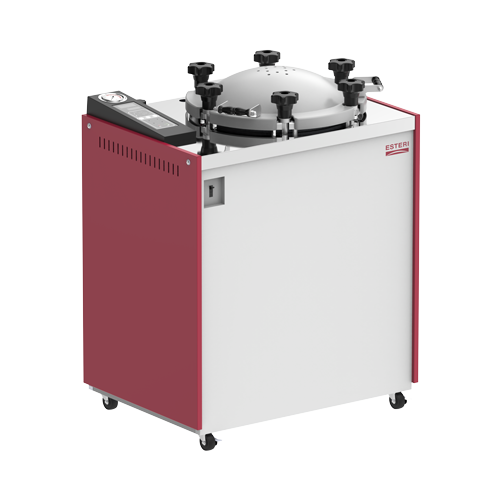
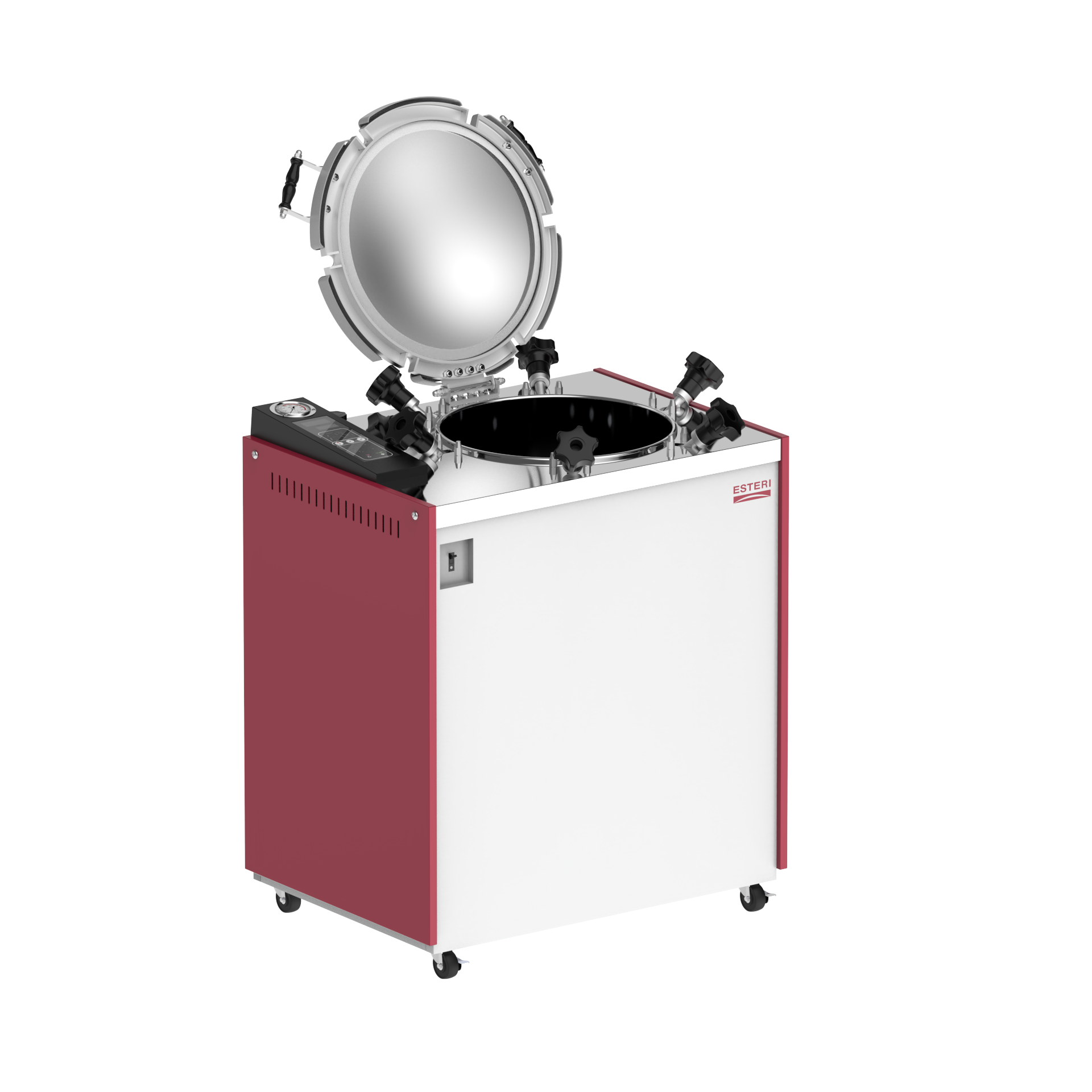
The ETV series is a model specializing in durability, with a thorough focus on ensuring that it can last a long time without malfunction.
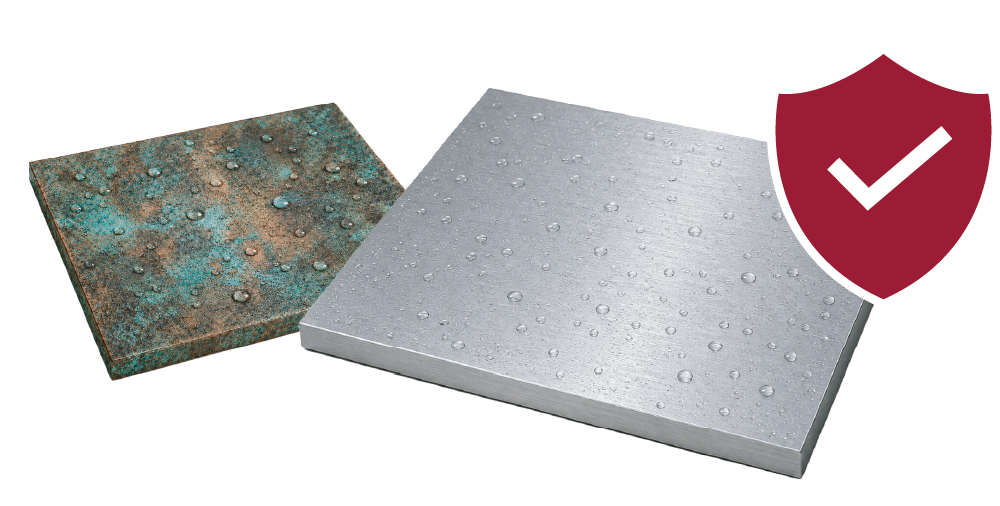
It eliminates complex mechanisms that can cause autoclave failure, and makes the piping lines chemically resistant stainless steel with the shortest possible path, preventing clogging of foreign objects.
This autoclave is ideal for treating samples that are prone to accelerating equipment corrosion, such as reagents used in nitrogen and phosphorus decomposition in water quality testing and large amounts of waste.
With its high sterilization performance and dissolution and heat retention functions, it can also sterilize common laboratory equipment and liquids.


No air exhaust function
ETV Series
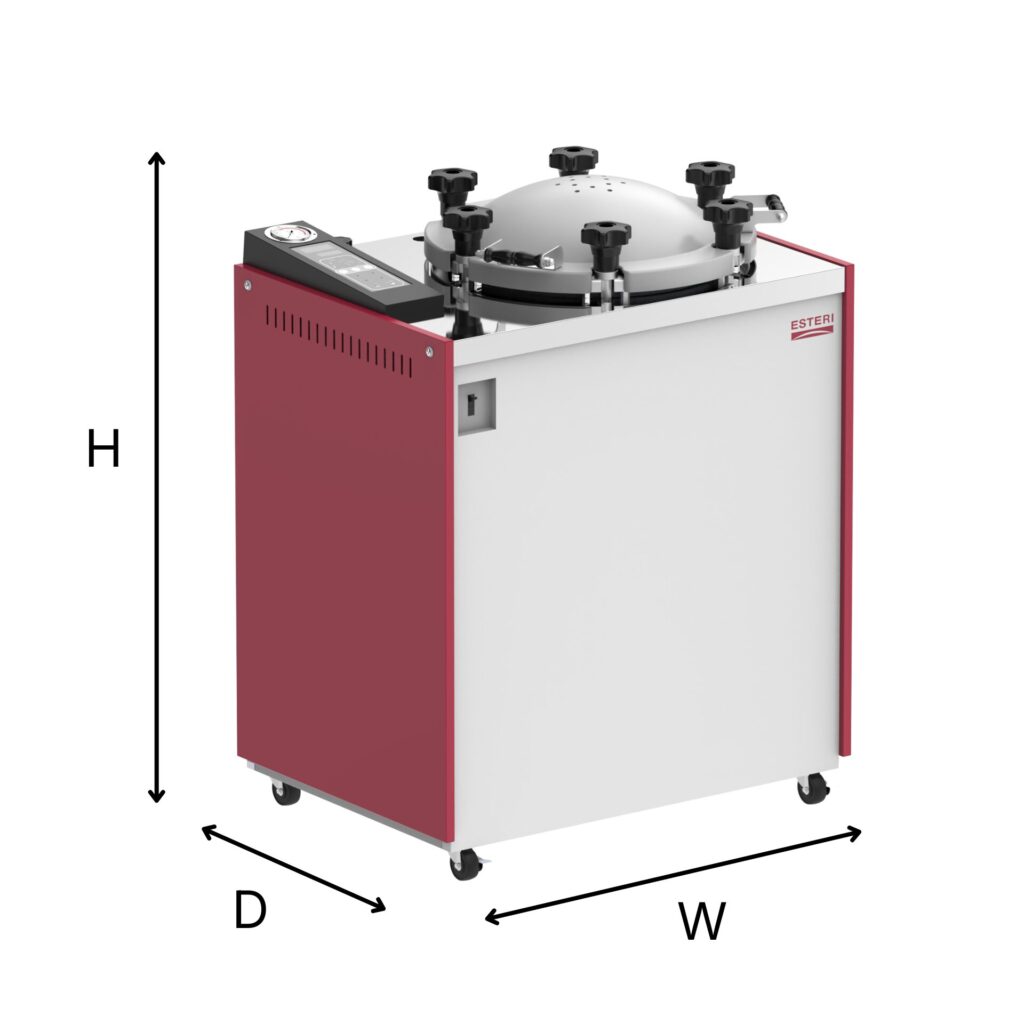
| ETV-50 | ETV-96 | ETV-118 | |
| Can diameter × effective height (mm) | Φ300×630 | Φ400×650 | Φ400×830 |
| Can volume (L) | 50 | 96 | 118 |
| External dimensions W×D×H (mm) | 600×400×990 | 770×560×980 | 770×560×1160 |
| Weight (kg) | 55 | 80 | 91 |
| Sterilization temperature (℃) | 100-127 | 100-127 | 100-124 |
| Sterilization time (hours: minutes) | 00:01 - 48:00 (common to all models) | ||
| Maximum pressure (MPa) | 0.180 | 0.180 | 0.160 |
| Driving patterns | 1. Sterilization / 2. Sterilization - Keep warm / 3. Melting - Keep warm (common to all models) | ||
| Required power supply | AC 200V, single phase, 30A or higher | ||
1. Sterilization

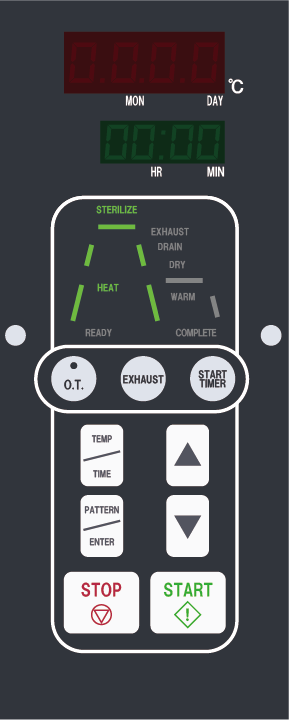
This is a sterilization-only pattern. It is commonly used for waste, liquids, equipment, etc.
● Heating →sterilization→ Cooling
The shortest possible processing time is achieved through a simple process.
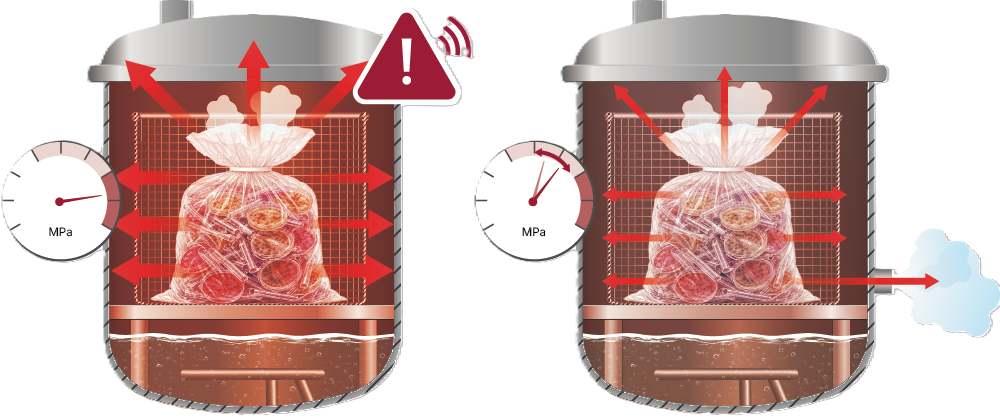
When sterilizing instruments and other equipment, setting it to "EXHAUST" allows it to be automatically evacuated after sterilization, rapidly reducing the pressure, thus shortening the cooling process.
2. Sterilization – Keep warm

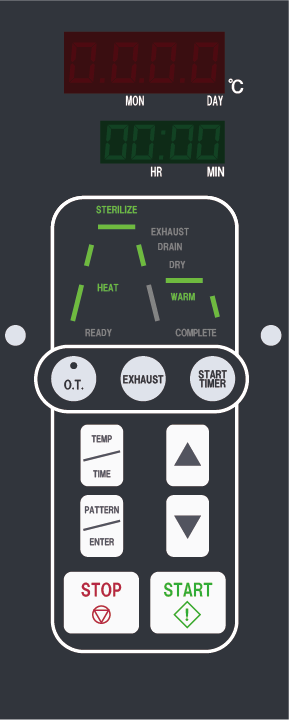
The sterilized liquid culture medium can be stored at room temperature without solidifying.
●Heating →sterilization→ Cooling →keep warm (40~60℃)
Keeping the medium warm at 40 ~60℃ after sterilization prevents it from solidifying, allowing for efficient operation without interruption of subsequent dispensing.
3. Dissolution – Keep warm
It is primarily used to dissolve sterile, jelly-like culture media.
●Heating → Melting (40~99℃) → Cooling → Keeping warm (40~60℃)
Dissolution can be set in a temperature range of 40 ~99℃, so it can also be used for simple boiling disinfection and pasteurization. Furthermore, by pre-running this process using a calendar timer and keeping the equipment warm, sterilization operation time can be reduced.
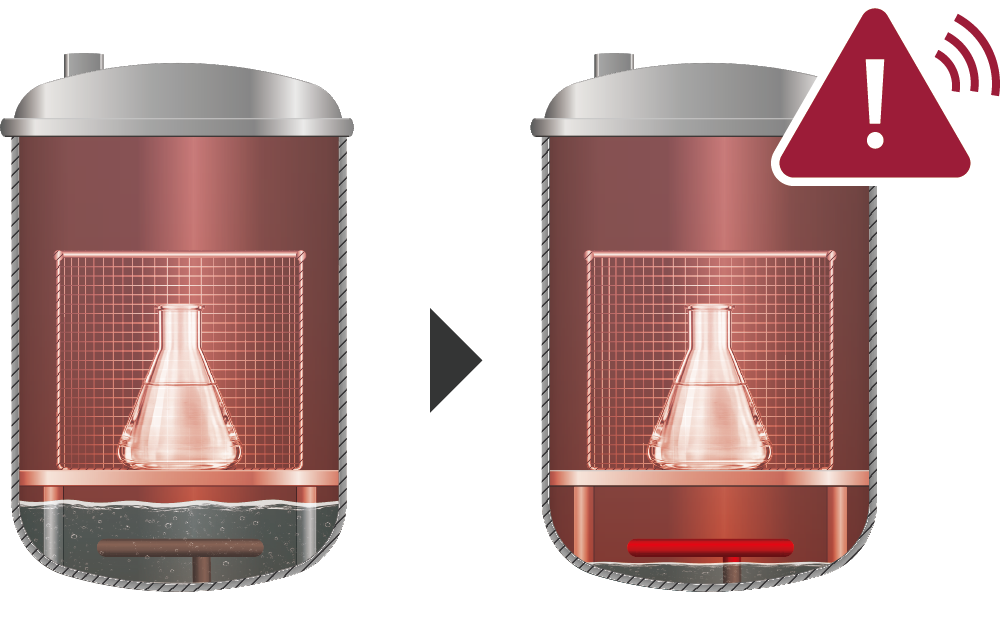
Air-burning prevention device
If there is a water shortage, an alarm will sound and the system will automatically shut off. Prevents equipment from burning dry and damaging sterilized items.

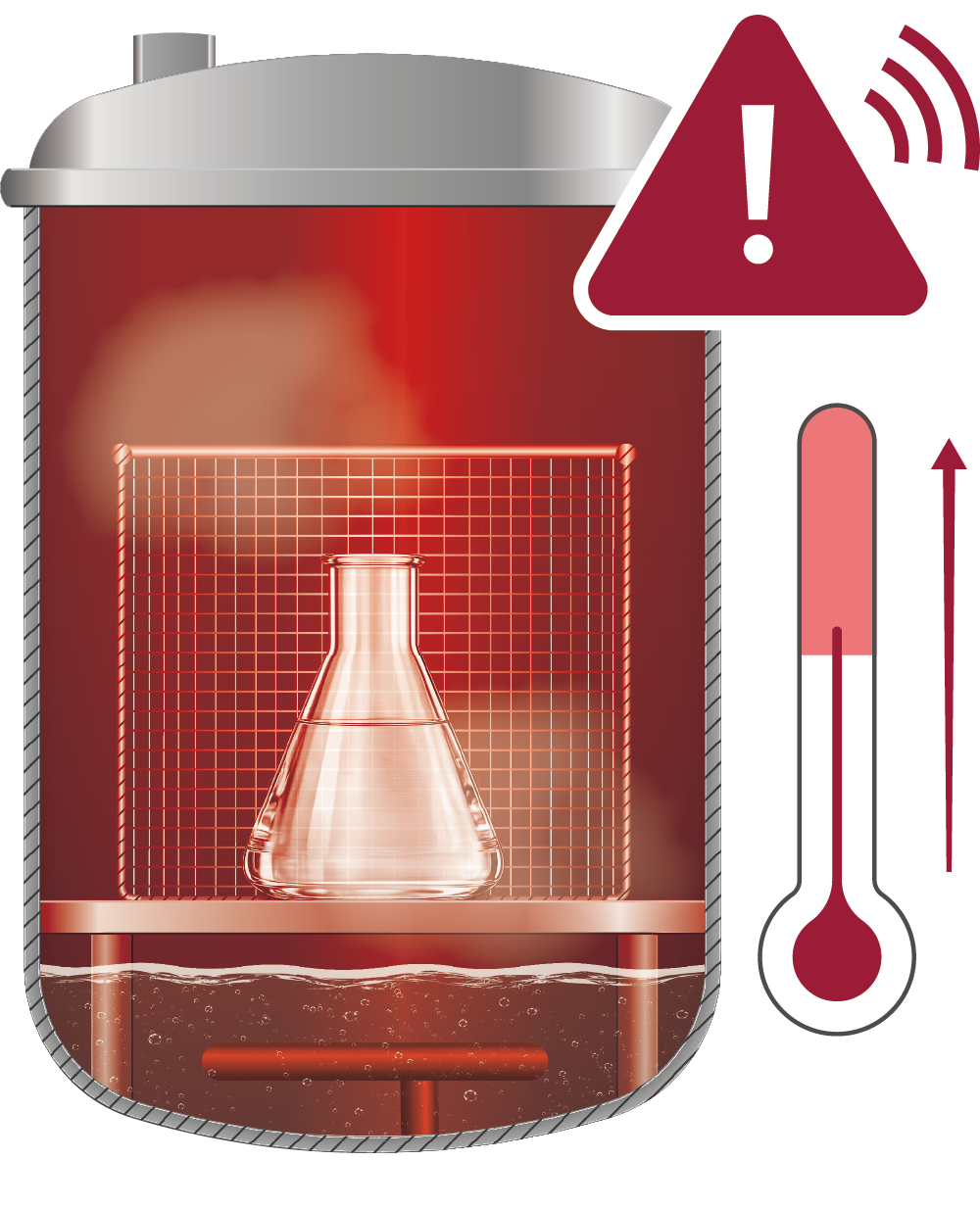
Temperature over-rising/over-pressure prevention device
An alarm will sound and heating will stop if the can temperature exceeds the set temperature and pressure while driving. This can easily occur if too much sterile material is packed into the container.

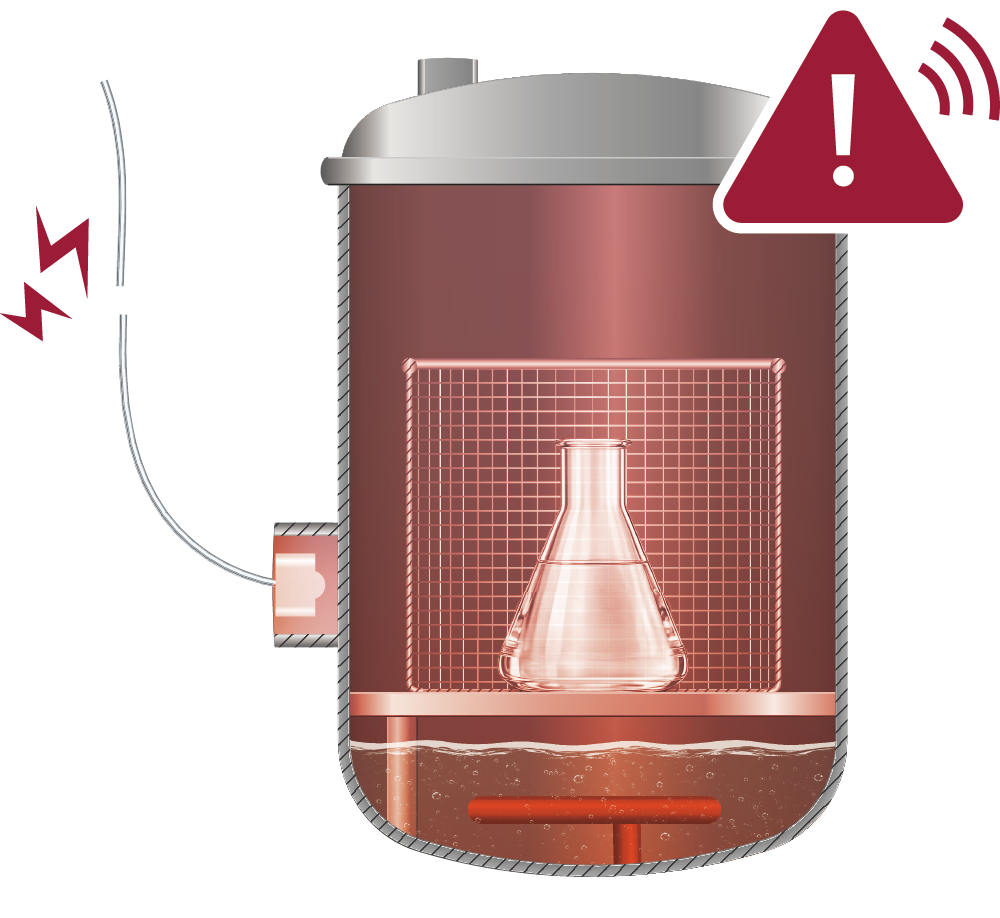
Sensor break detection
An alarm will sound and stop operation if the temperature sensor fails. Instruments crucial for temperature control prevent equipment from running out of control.

Ground fault breaker
Senses a power leakage in the equipment and turns off the main power supply.
It activates in the event of a water leak or electrical component failure, preventing electric shock to the user.
Pressure safety valve
It prevents the pressure from rising by allowing steam from inside the can to escape when the pressure rises to an abnormal level. This is a dual safety device that activates in the unlikely event that the electrical safety device malfunctions and the equipment goes out of control.
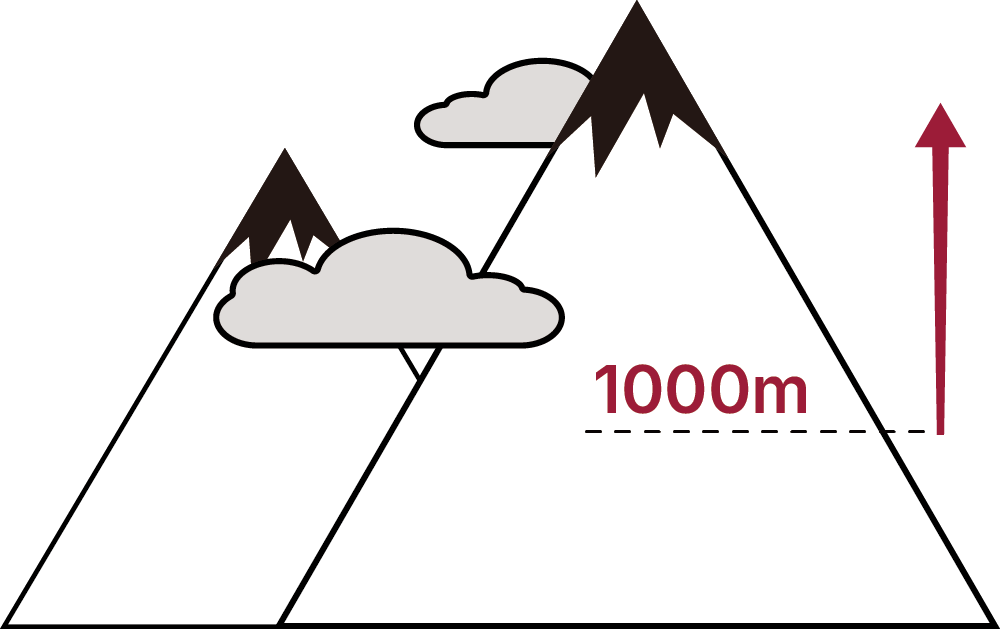
High altitude support (altitude 1000m or more)
At high altitudes, a decrease in air pressure can lower the boiling point of water, which can affect the temperature and pressure control of the autoclave.
This series allows for setting changes depending on altitude conditions, ensuring proper sterilization conditions even in high-altitude environments and achieving stable operation.

Wire mesh basket
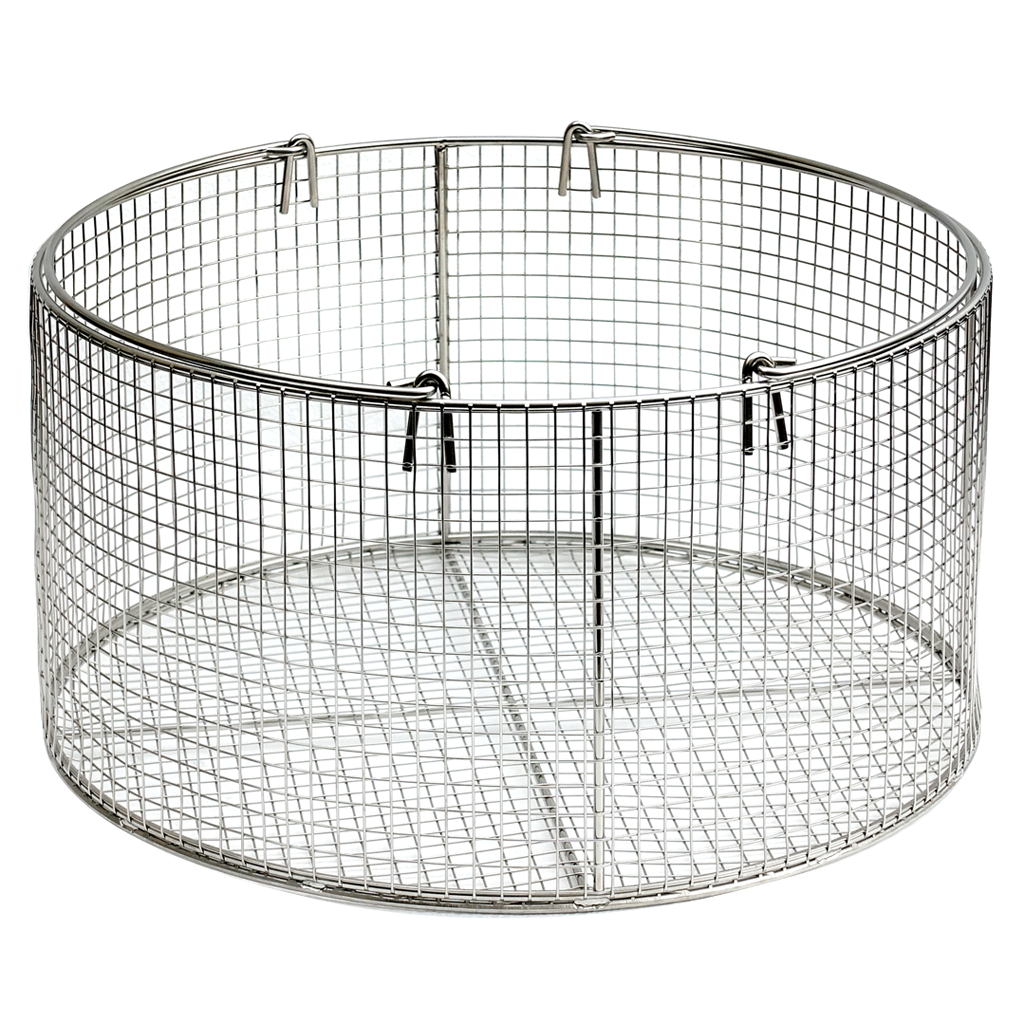
Do not place sterile materials directly into the can body. This not only causes malfunctions but also leads to serious accidents.
Be sure to place the sterile material in the wire mesh basket.
This series comes standard with the following wire mesh baskets:
To sterilize liquids, place the container in a wire mesh basket or purchase a sterile container (accessory) sold separately.
| ETV-50 | ETV-96 | ETV-118 | |
| Inner diameter × height (mm) | Φ270×300 | Φ380×300 | Φ380×400 |
| Number | 2 | 2 | 2 |
| Product number | BW2730 | BW3830 | BW3840 |
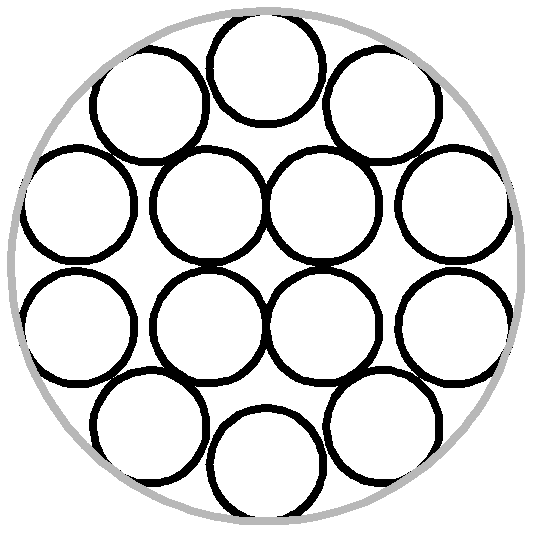
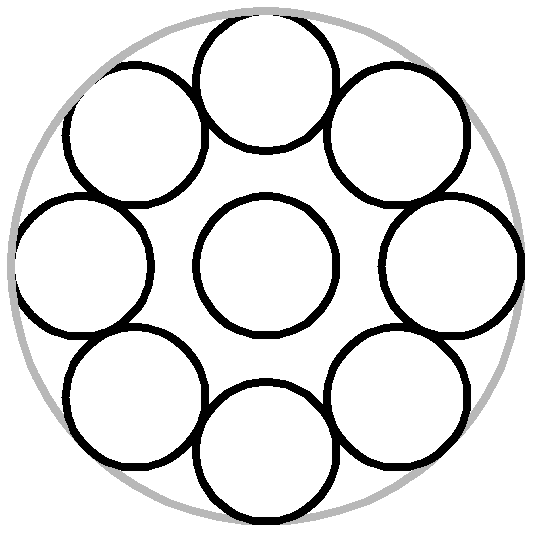
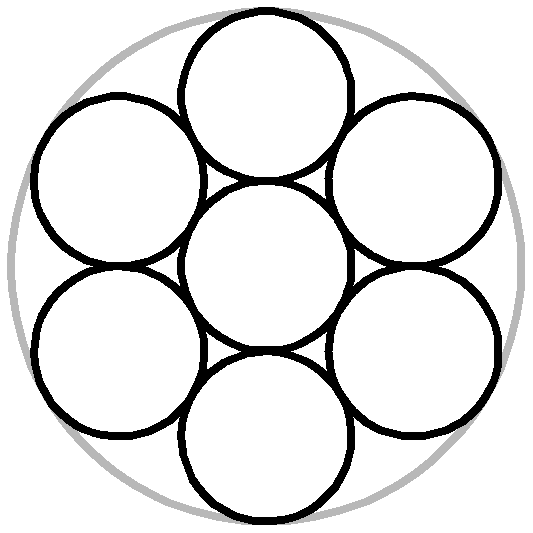
Number of inserts

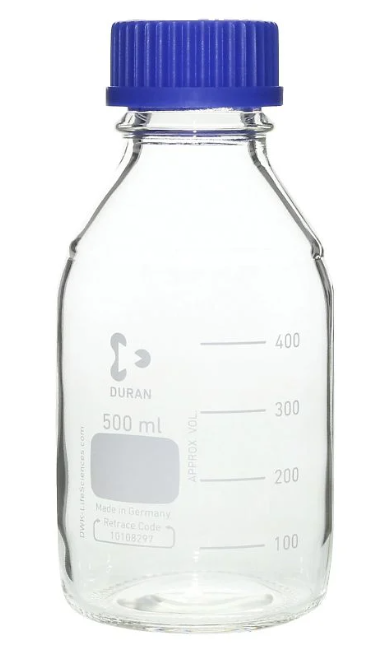
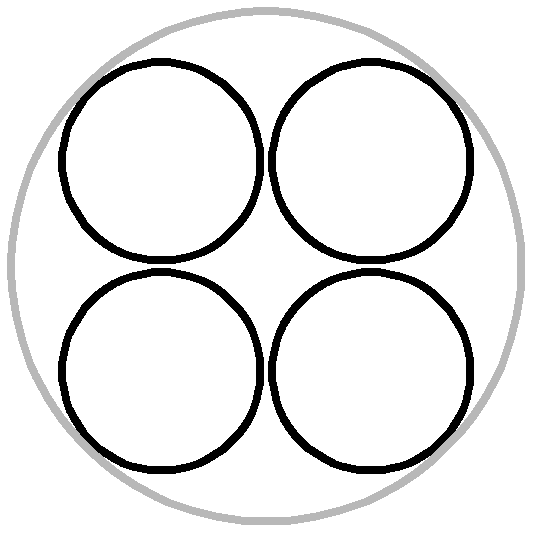
Threaded bottle (ISO standard)
| 100ml Φ56×100mm |
250ml Φ70×138mm |
500ml Φ86×176mm |
1000ml Φ101×225mm |
|
| Kago diameter Φ270 |

|

|

|

|
| 14 pieces | 9 pieces | 7 | 4 pieces | |
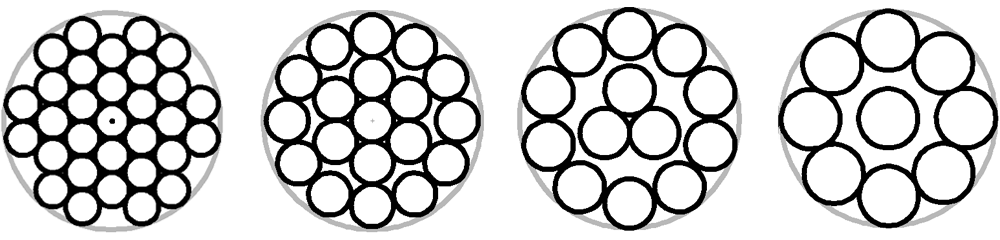
| Kago diameter Φ380 |

|
|||
| 31 bottles | 19 bottles | 13 bottles | 9 pieces | |
Number of inserts
| ETV-50 | 28 (42) books | 18 (27) books | 14 (21) books | 8 pieces |
| ETV-96 | 62 (93) books | 38 (57) books | 28 (42) books | 18 pieces |
| ETV-118 | 62 (124) books | 38 (76) books | 28 (56) books | 18 pieces |
Wire mesh basket
We offer a variety of sizes. Please select based on the size of the sterilized items.
In that case, please pay attention to the diameter and effective height of the can body.
| Product number | Internal dimensions: Diameter × Height (mm) |
| BW3020 | Φ300×200 |
| BW3030 | Φ300×300 |
| BW3815 | Φ380×150 |
| BW3820 | Φ380×200 |
| BW3830 | Φ380×300 |
| BW3840 | Φ380×400 |
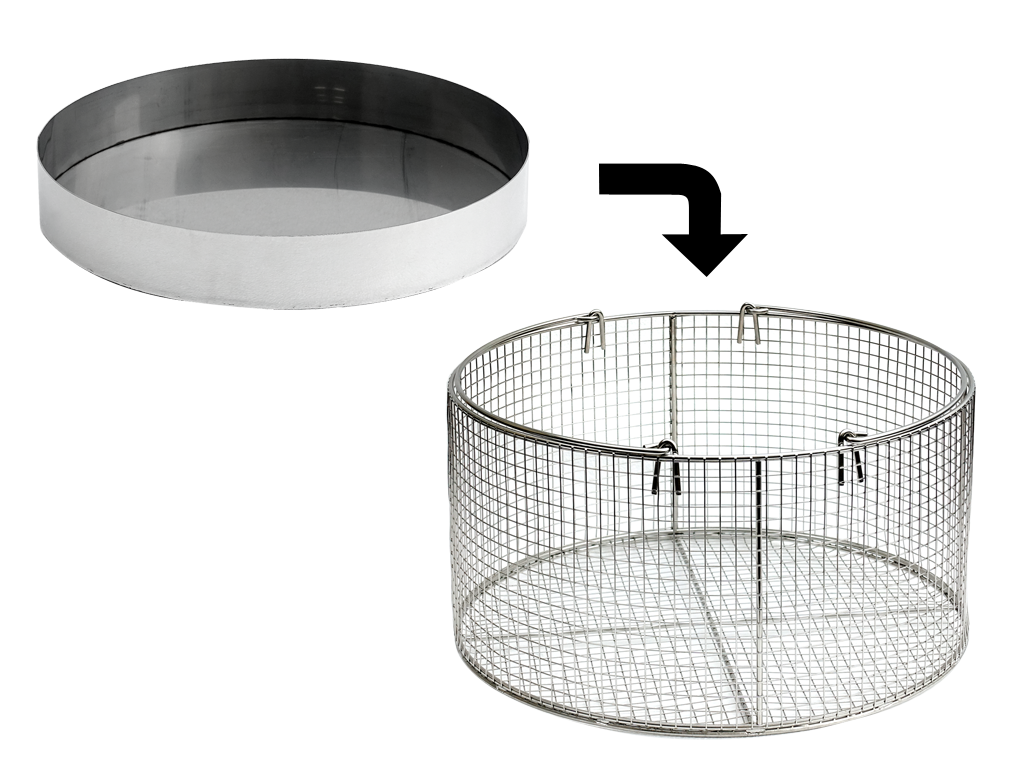
Kago bottom storage dish
Sterilizing waste materials such as used petri dishes can contaminate equipment by spilling molten liquid.
To prevent equipment failure due to this, you can store the liquid in the bottom of the wire mesh basket and take it in.
| Product number | Internal dimensions: Diameter × Height (mm) | Compatible basket interior dimensions |
| DH2676 | Φ267×60 | Φ270 |
| DH3636 | Φ363×60 | Φ380 |
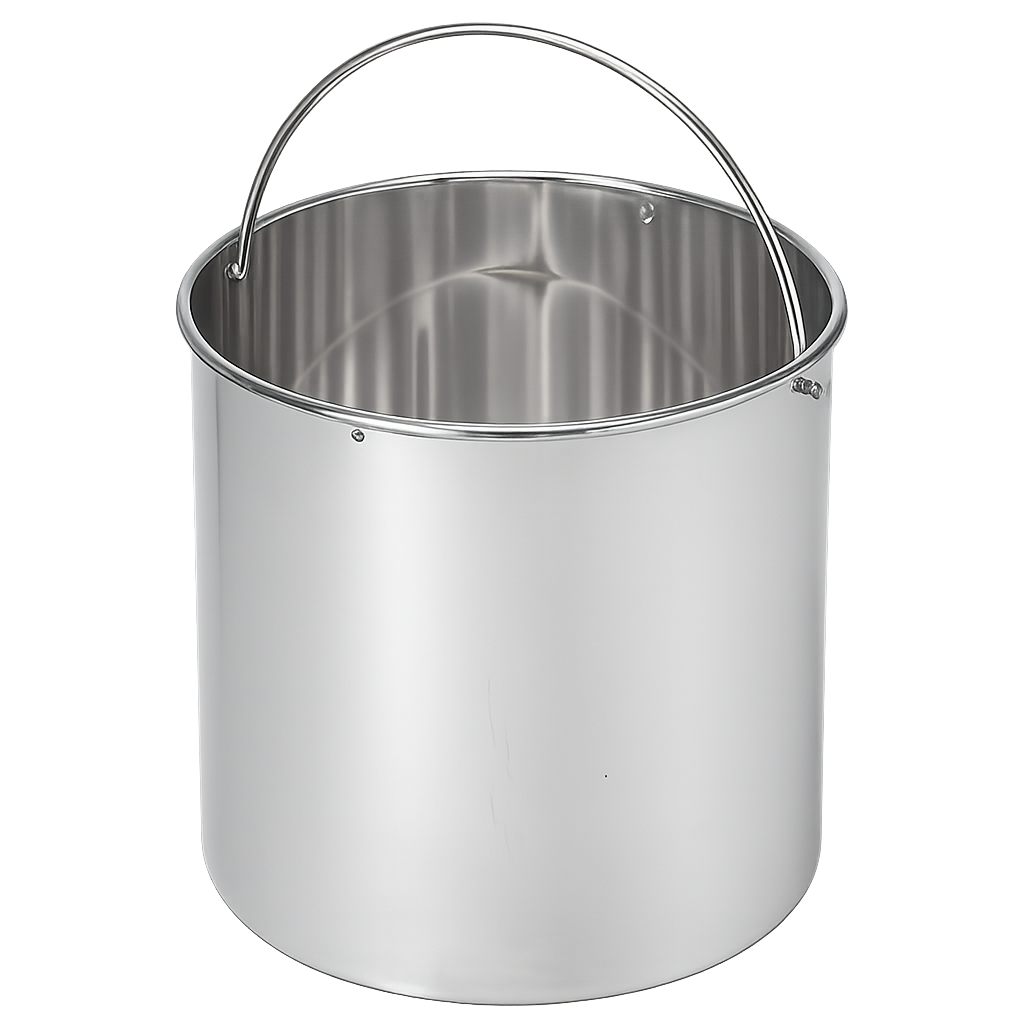
Sterile container
Use sterile containers to sterilize large quantities of liquids, viscous substances, or soil.
However, unlike wire mesh baskets, when used in layers, they trap air in the lower container, resulting in poor sterilization.
Always use only one.
| Product number | Internal dimensions: Diameter × Height (mm) |
| VN2727 | Φ270×270 |
| VN3636 | Φ360×300 |
Why ESTERI?
Sterilization fast, easy, and reliable
Supporting essential hygiene practices in food and medical care
Japan's first sterilizer manufacturer
Sterilization technology in the laboratory and medical fields that has been developed since 1976
"Manufacturing" that does not depend on individual abilities
Flexible, custom-made solutions tailored to individual needs
Global brand of compact autoclaves
International standards certification obtained
Having trouble choosing a product?
Please feel free to share any problems or questions you may have.