
EAS-12
The future of tabletop standards
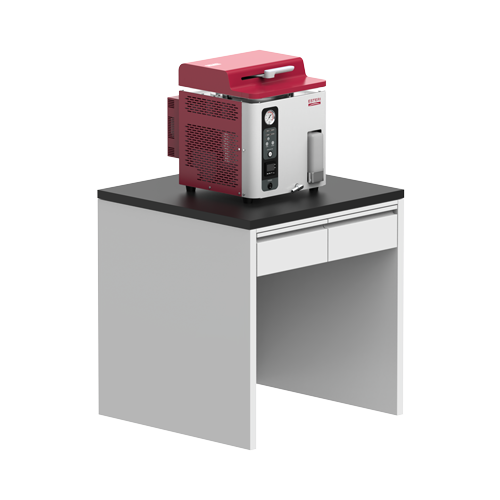
The EAS series is recommended for educational institutions such as high schools and universities.
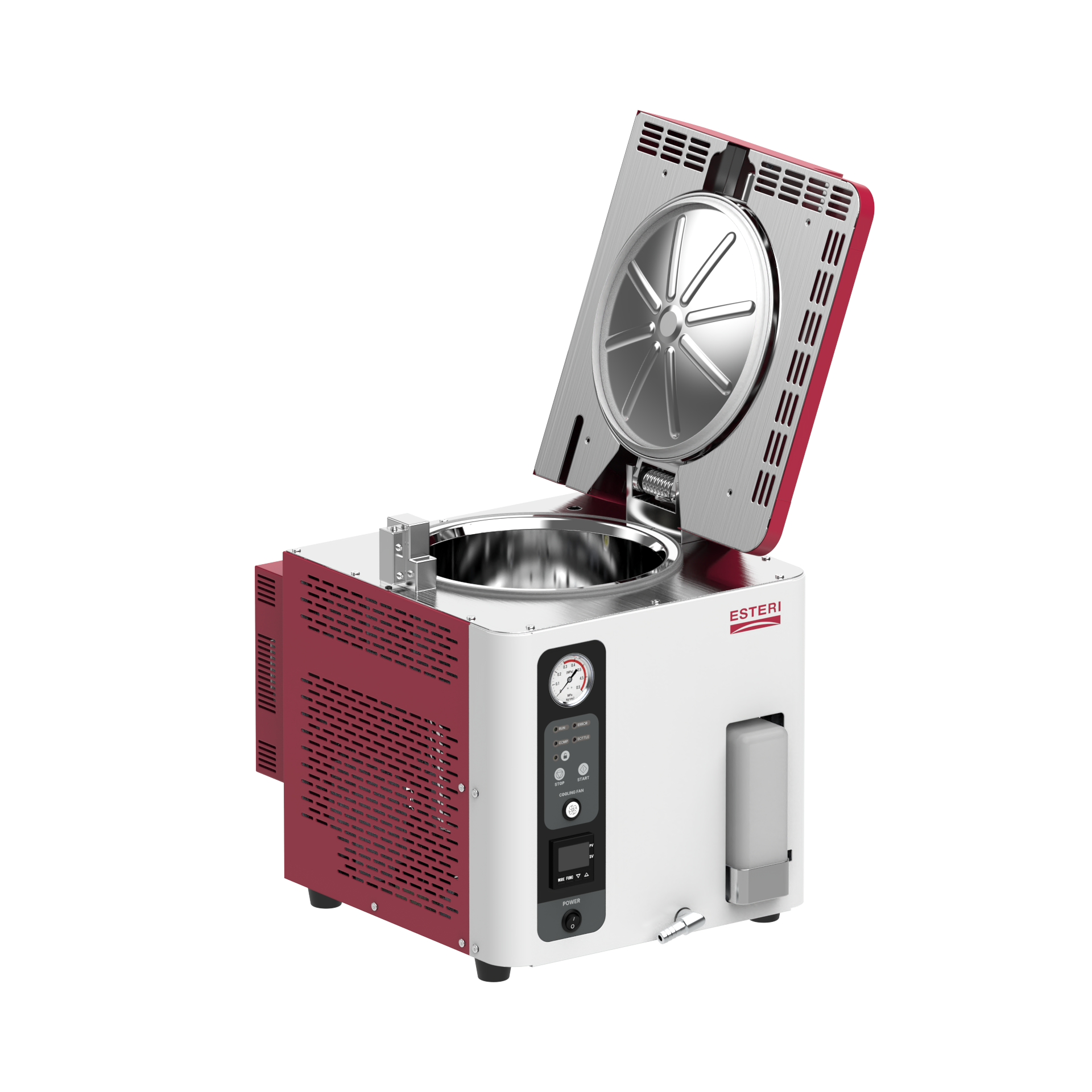
It is intended for use by an unspecified number of students and features high safety features, including a footer interlock. Furthermore, it has been made simple with sterilization only, and easy operation has been achieved, such as the ability to open and close the lid in single motion.
Sterilization of educational institutions is rarely carried out in small quantities.
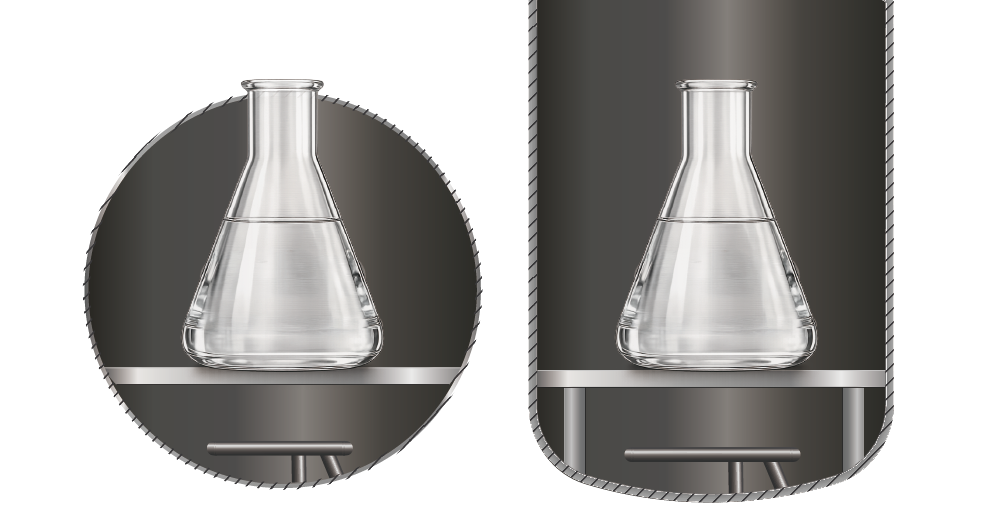
Using a large, floor-mounted autoclave for this purpose presents significant disadvantages in terms of operating time and power consumption.
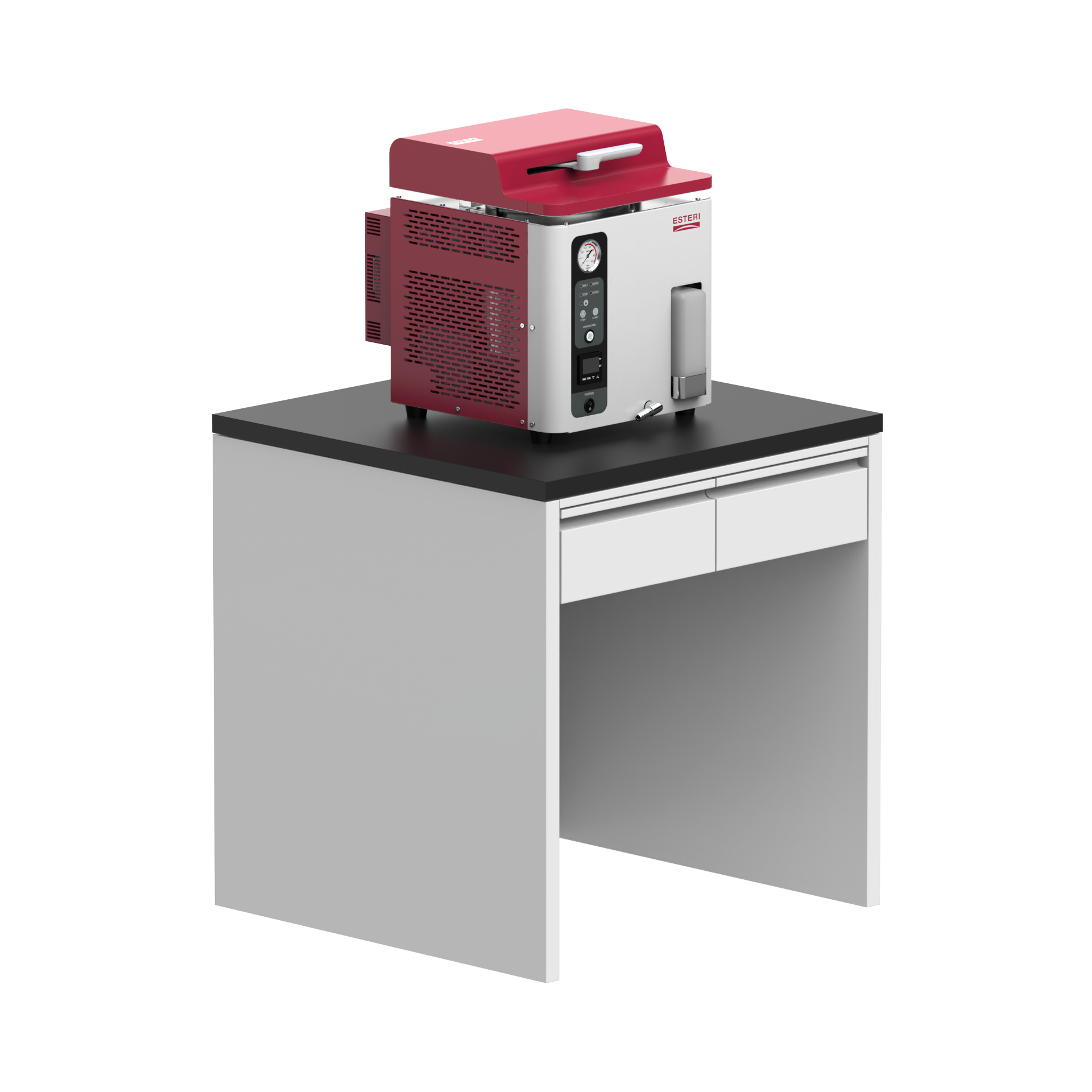
This is the future standard tabletop model that offers everything you need: fast driving time, easy operation, and comprehensive safety features, all in a small space.
Advantages of tabletop and vertical models

Enhanced safety features

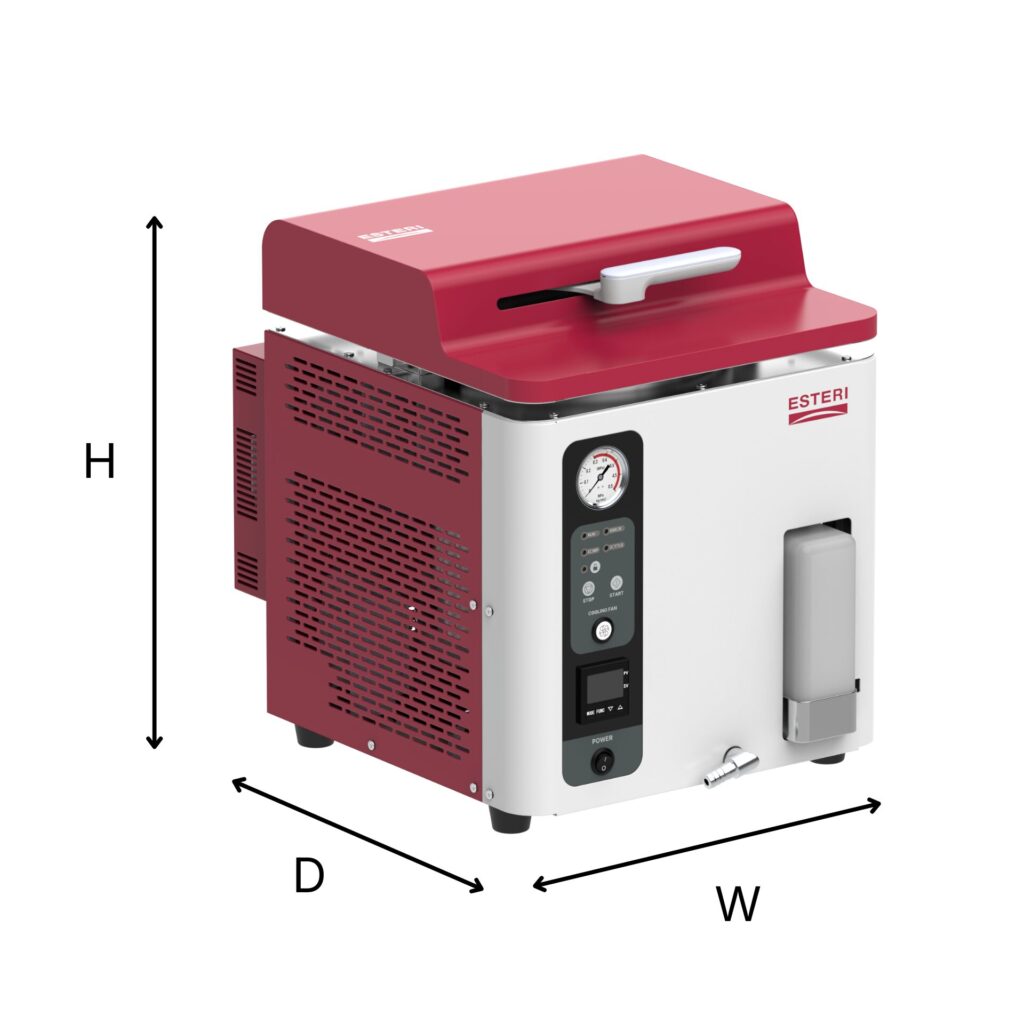
| EAS-12 | |||
| Can diameter x effective height (mm) | Φ240×220 | ||
| Can volume (L) | 12 | ||
| External dimensions WxDxH (mm) | 370×495×455 | ||
| Weight (kg) | 36 | ||
| Sterilization temperature (℃) | 105-135 | ||
| Sterilization time (minutes:seconds) | 00:01 - 99:59 | ||
| Maximum pressure (MPa) | 0.270 | ||
| Driving patterns | Sterilization | ||
| Required power supply | AC100V, 15A or higher | ||
An autoclave that handles high temperatures and pressures of 100℃ or higher.
In the unlikely event of a malfunction, there is a direct risk of serious accidents such as burns or explosions.
This is a must-do to prevent accidents not only among professionals who are familiar with the equipment's structure, but also among students who are new to the equipment or those who are not used to operating it.
We believe that this is a necessary condition for modern RIKEN equipment.
We will introduce comprehensive safety features to ensure reliable and safe use.
Footer interlock function
It can be safely locked with one hand with simple operation: tighten the foot and rotate the lever. A secure design that will not operate if rotation is insufficient. It stays securely in place while driving and prevents burns by not releasing the lock until the temperature and pressure drop.

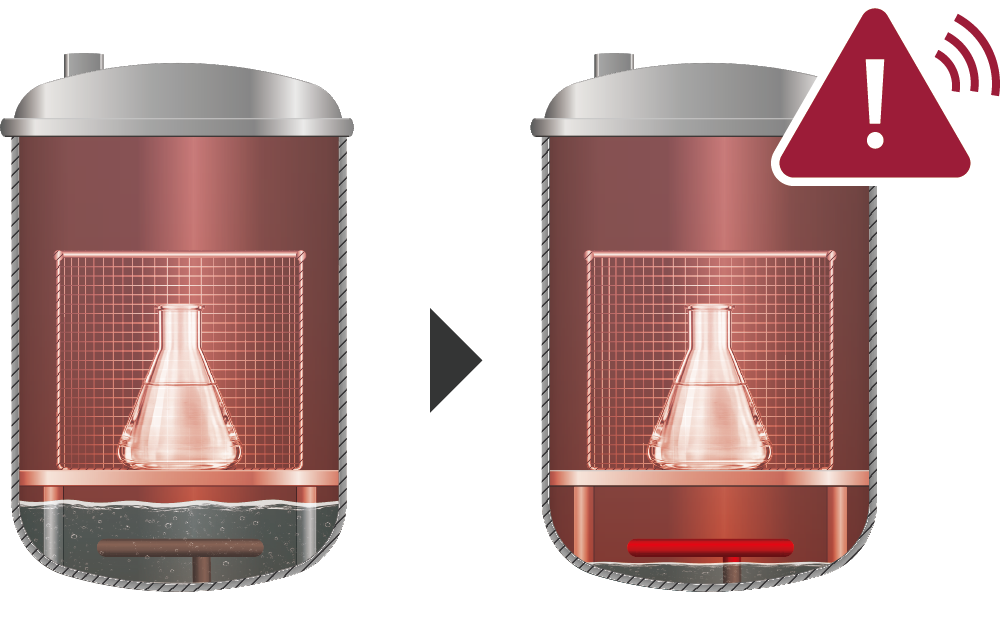
Air-burning prevention device
If there is a water shortage, an alarm will sound and the system will automatically shut off.
This prevents overheating due to dry lighting and ensures the safety of the equipment and its users.

Pressure safety valve
It prevents the pressure from rising by allowing steam from inside the can to escape when the pressure rises to an abnormal level. This is a dual safety device that activates in the unlikely event that the electrical safety device malfunctions and the equipment goes out of control.
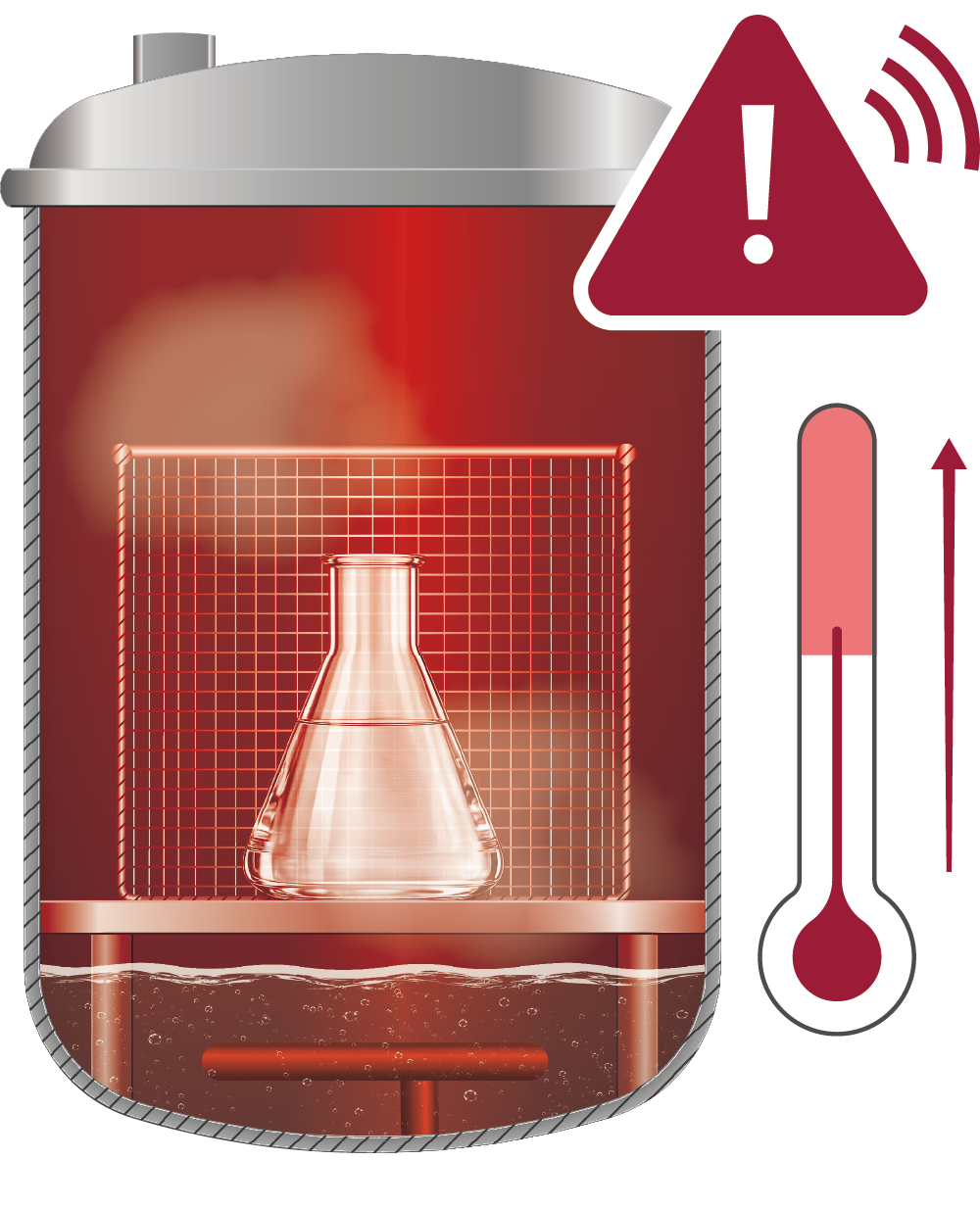
Temperature over-rising/over-pressure prevention device
An alarm will sound and heating will stop if the can temperature exceeds the set temperature and pressure while driving. This can easily occur if too much sterile material is packed into the container.

Sensor break detection
An alarm will sound and stop operation if the temperature sensor fails.
Instruments crucial for temperature control prevent equipment from running out of control.

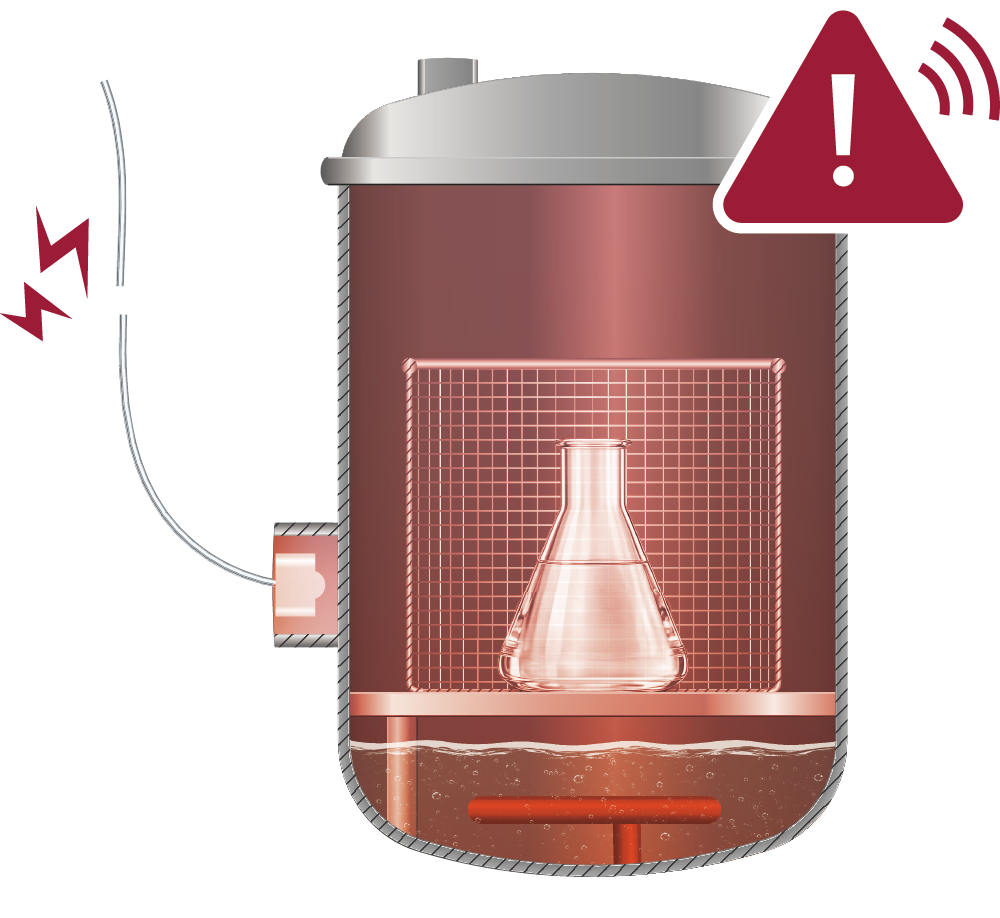
Ground fault breaker
Senses a power leakage in the equipment and turns off the main power supply.
It activates in the event of a water leak or electrical component failure, preventing electric shock to the user.
Wire mesh basket
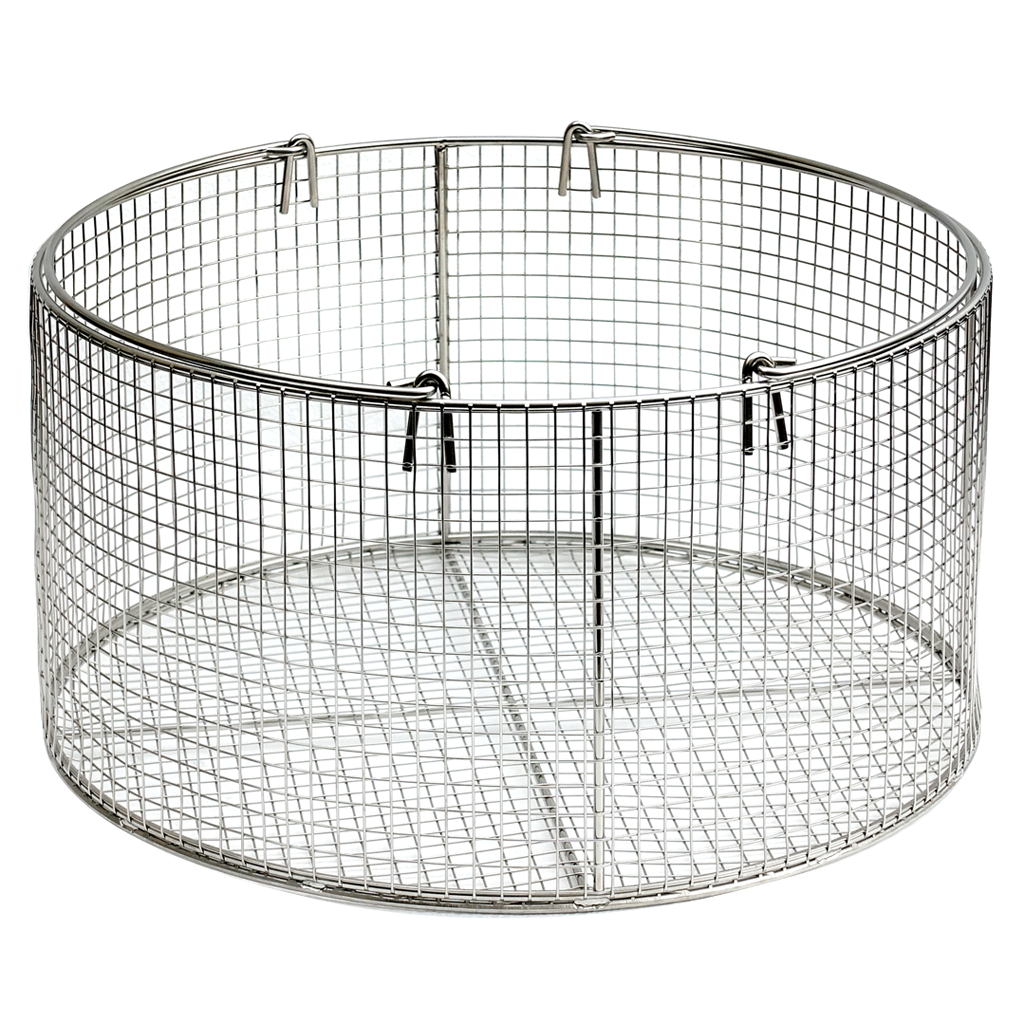
Do not place sterile materials directly into the can body. This not only causes malfunctions but also leads to serious accidents. Be sure to insert a wire mesh basket containing sterile materials.
| Inner diameter × height (mm) | Φ210×200 | ||
| Number | 1 | ||
| Product number | BW2120 | ||
Number of inserts

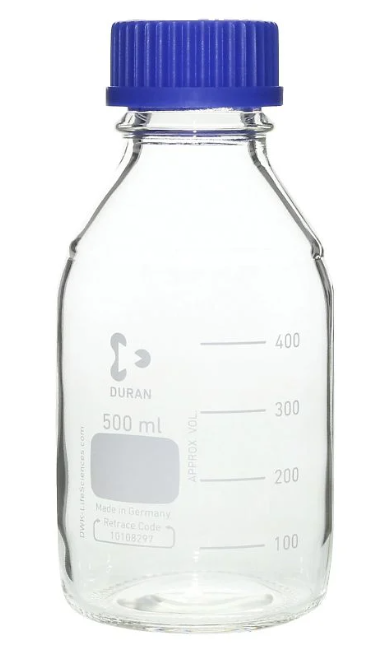
Threaded bottle (ISO standard)
| 100ml Φ56×100mm |
250ml Φ70×138mm |
500ml Φ86×176mm |
|
| Diameter Φ210 |

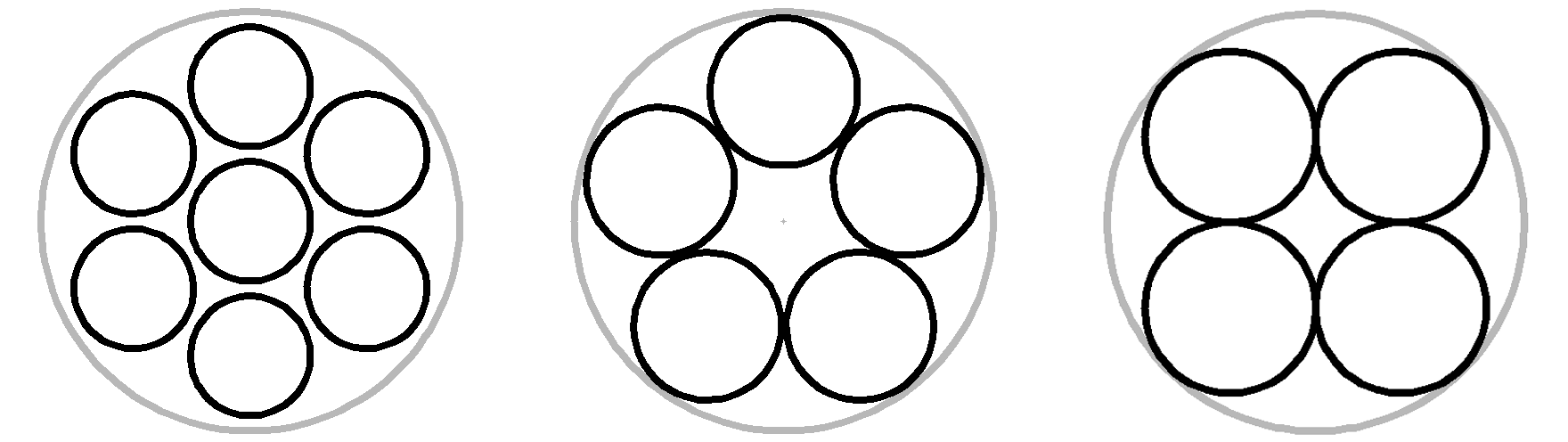
|
||
| 7 | 5 bottles | 4 pieces | |
Wire mesh basket
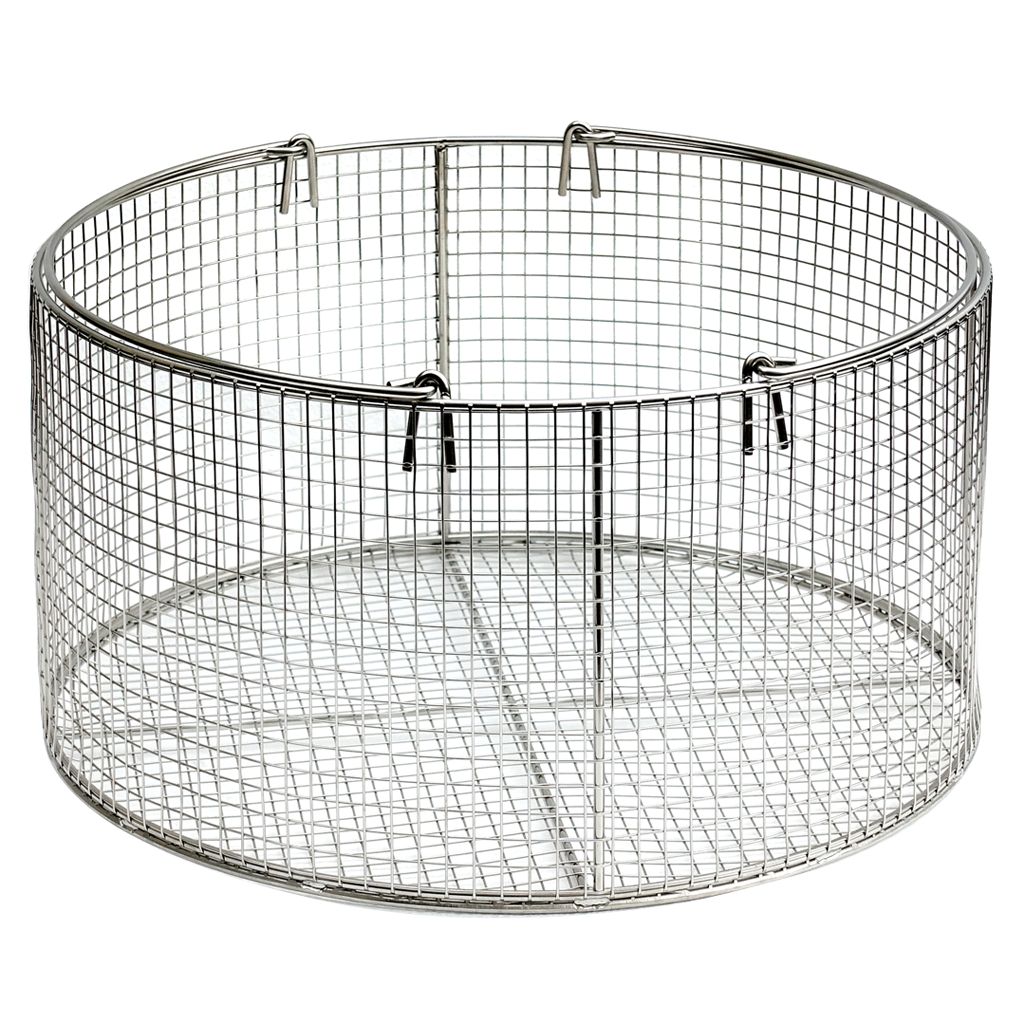
| Product number | Internal dimensions: Diameter × Height (mm) |
| BW2120 | Φ210×200 |
Kago bottom storage dish
Sterilizing waste materials such as used petri dishes can contaminate equipment by spilling molten liquid.
To prevent equipment failure due to this, you can store the liquid in the bottom of the wire mesh basket and take it in.
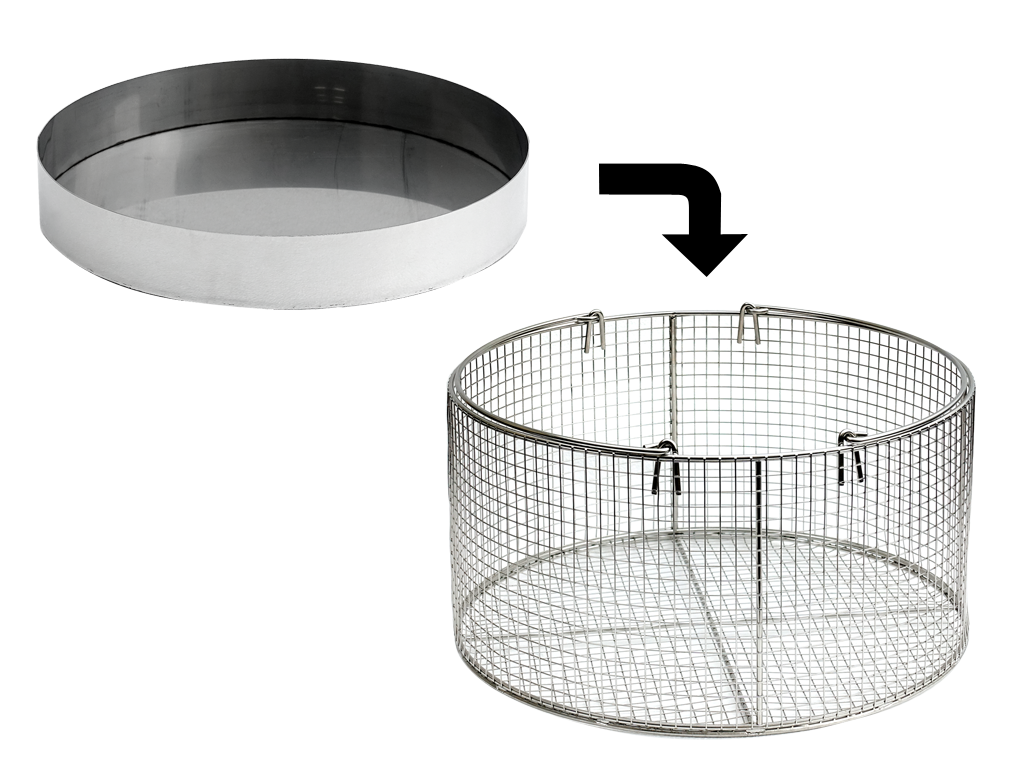
| Product number | Internal dimensions: Diameter × Height (mm) |
| DH2036 | Φ203×60 |
Why ESTERI?
Sterilization fast, easy, and reliable
Supporting essential hygiene practices in food and medical care
Japan's first sterilizer manufacturer
Sterilization technology in the laboratory and medical fields that has been developed since 1976
"Manufacturing" that does not depend on individual abilities
Flexible, custom-made solutions tailored to individual needs
Global brand of compact autoclaves
International standards certification obtained
Having trouble choosing a product?
Please feel free to share any problems or questions you may have.