ERD-37

Retort sterilizer for research and development
Food development, packaging material evaluation, and sterilization condition verification in a laboratory-sized manner

ERD is a research and development retort sterilizer primarily focused on food development, packaging material development, and testing applications.

It can be set by combining various processing conditions such as temperature, time, pressure, F-measure, and cooling conditions, and can handle a wide range of tests, including product development for retort foods, durability evaluation of packaging materials, and verification of container deformation and risk of tearing.

Maximum temperature 140℃, maximum service pressure 0.34MPa.
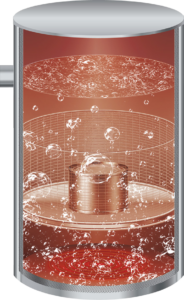
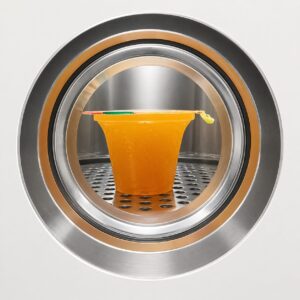
The observation window inside the can and the lighting allow you to check the sample condition in real time while it is in operation.
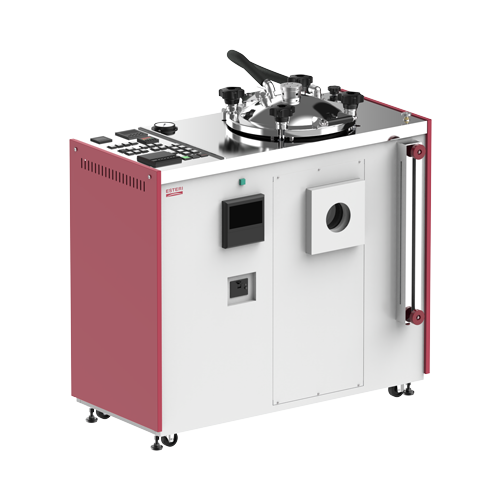
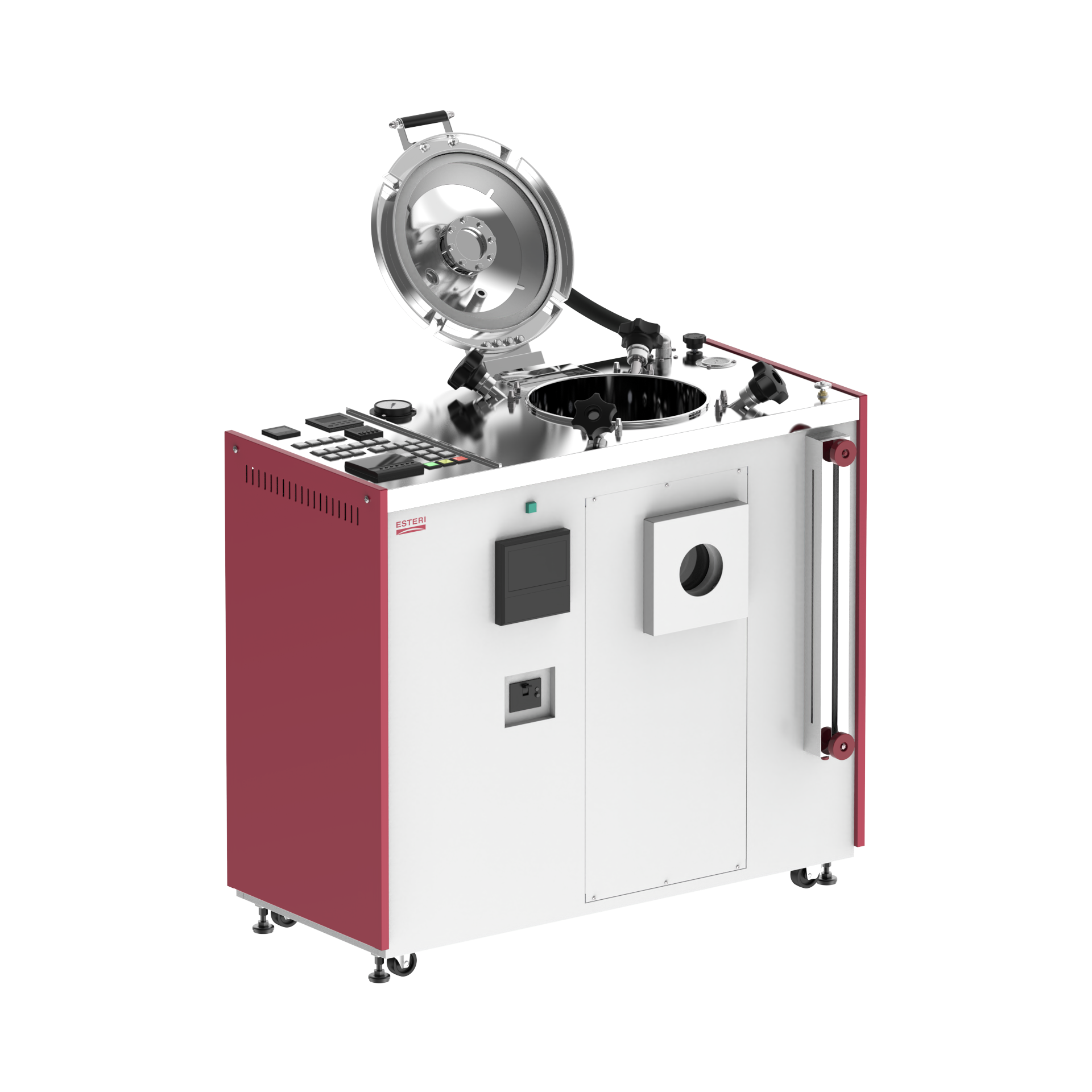
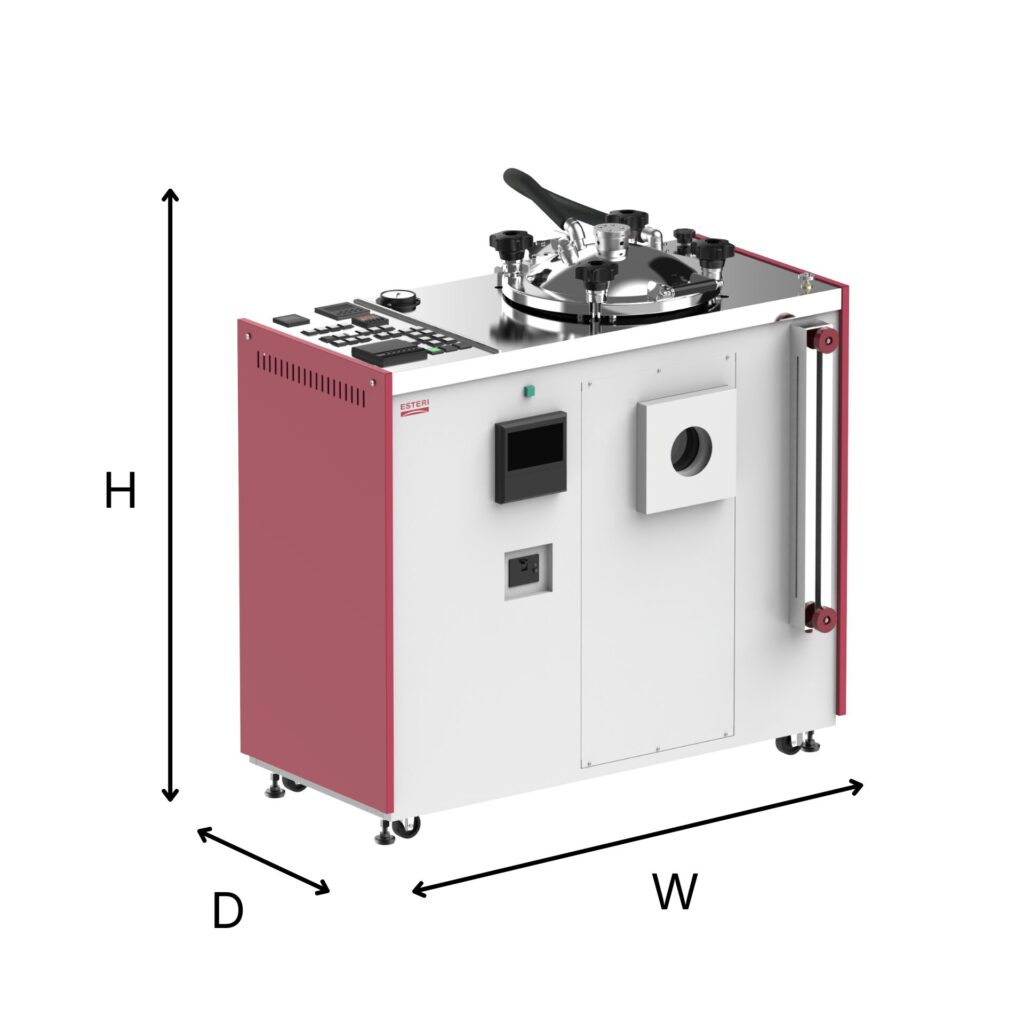
Ultra-compact retort tester with a maximum temperature of 140℃ and the size of a single tatami mat

Although it is large enough to be installed in a laboratory, it is capable of full-scale retort test operation, similar to a large retort kettle for mass processing.


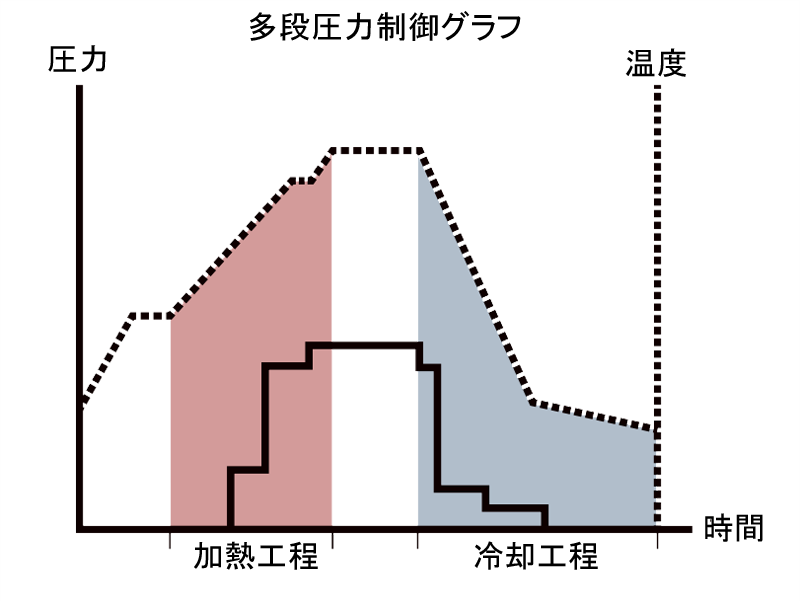
Multi-stage pressure control

Stepwise pressurization settings are possible during the sterilization and cooling processes. Reduces sudden pressure fluctuations and prevents deformation and tearing of the packaging material.


Core temperature measurement and F-value calculation and control

The included temperature sensor can be inserted into the sample to measure the core temperature and F-measure. Furthermore, the F-value control mode allows for operation where sterilization is completed when a preset F-value is reached, providing strong support for sterilization quality control.

Automatic recording of driving data

A recorder is included as standard equipment, and various driving data is automatically sampled. Sampling data can be viewed and analyzed on a PC.


Compatible with hot water sterilization

In addition to steam sterilization, hot water sterilization function can be selected.
This allows you to perform a simulated test on a large retort kettle that uses hot water storage.


Observation window

Includes interior lighting and pressure-resistant tempered glass observation window for visual inspection of sample condition during sterilization.

Ultra-compact retort tester suitable for high temperature zones

It can be set to a maximum temperature of 140℃ and a maximum pressure of 0.34 MPa.
In addition to general retort testing, this single unit can cover food development, packaging material evaluation, and durability testing, which require higher-temperature processing conditions. Raising the requirements to 140℃ in particular is of great significance during the research and development phase.

You can see at a lab scale whether materials and containers can withstand high temperature and pressure environments, how their taste, flavor and appearance change, and how far they can push sterilization conditions.

Uses/Features Content
Improving the efficiency of sterilization process design Sterilization condition testing for retort product development can be conducted at a laboratory scale with low costs and time
Sensory evaluation
Conservation Test Evaluation
Wide range of settings to accommodate various conditions such as temperature, pressure, steam/hot water, etc
Basic data collection for HACCP and manufacturing process design Detailed operation data such as temperature, time, pressure, F-measure, and cooling status can be collected
Food containers and packaging materials
Quality evaluation
Checking whether pouches, bottles, cans, etc. can withstand the expected heat treatment
Investigation of seal strength and risk of deformation, expansion, and rupture
Conformity assessment of various packaging materials Evaluation of disposable contact lens storage cases, IV bags, sterile medical devices, etc
Printing/Adhesion Quality
Durability evaluation
Label printing and adhesion evaluation of containers, packaging materials, cans, etc

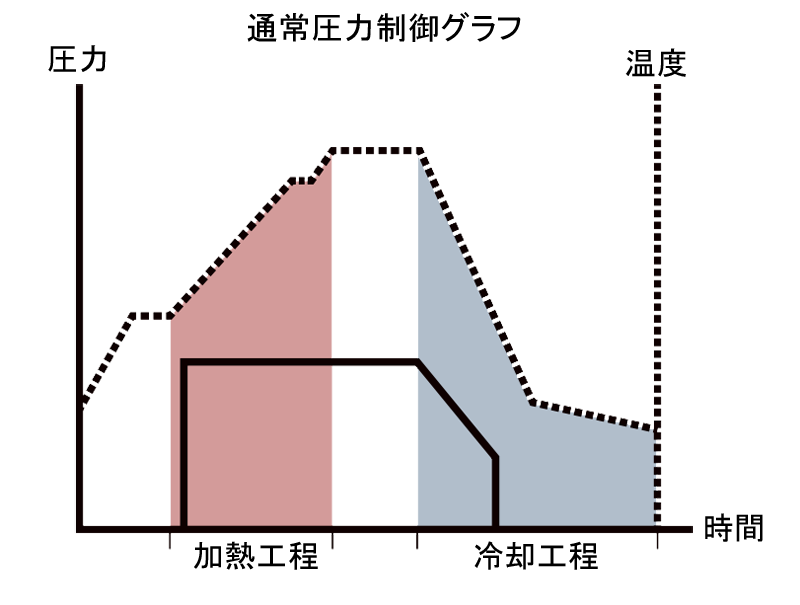
Normal pressure control and multi-stage pressure control

In retort processing, not only temperature but also the method of applying and removing pressure significantly affects the final appearance.

Rapidly increasing the pressure to the sterilization temperature setting pressure at low temperatures, or rapidly decreasing the pressure to atmospheric pressure during cooling, can lead to wrinkles in the pouch, deformation of the container, and tearing of the bag, depending on the pressure difference between the inside of the packaging and the inside of the can.

The ERD-37 offers the option of "normal pressure control," which controls the predetermined process at a constant pressure, and "multi-stage pressure control," which allows for stepwise pressure settings in both the sterilization and cooling processes.
In particular, the multi-stage pressure control allows for the individual setting of appropriate pressure for each temperature range, thereby reducing sudden fluctuations in the internal pressure of the packaging and enabling easy retort processing of samples and packaging materials.
This is useful for evaluating pressure difference sensitive containers and packaging materials such as jelly cups, contact lens containers, pouch packaging, and film packs. The pressure profile can be finely constructed from sterilization to cooling, making it useful for quality evaluation under actual manufacturing conditions and for checking the risk of bag breakage and deformation.

Steam sterilization and hot water sterilization

This device can be used in two sterilization methods: high-temperature steam sterilization and hot water sterilization.
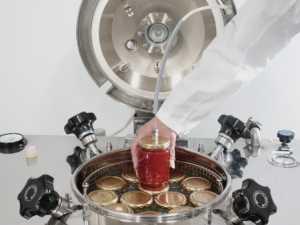
Steam sterilization is a method of generating high-temperature steam by heating enough water at the bottom of a can to submerge it. Heaters up to 6kW can reach an environment filled with high-temperature steam up to 140℃ in a short time of about 20 minutes. It's ideal for foods that want to shorten their heat history.

On the other hand, hot water sterilization is a method of sterilization that involves filling a can with hot water to about 70% of its volume and immersing the packaged sample in the hot water.
Compared to steam sterilization, the sample is surrounded by hot water, which reduces temperature fluctuations due to storage location and makes it easier to distribute heat evenly throughout the food.
In particular, it can simulate the simulated test environment for hot water storage sterilization used in large retort kettles.

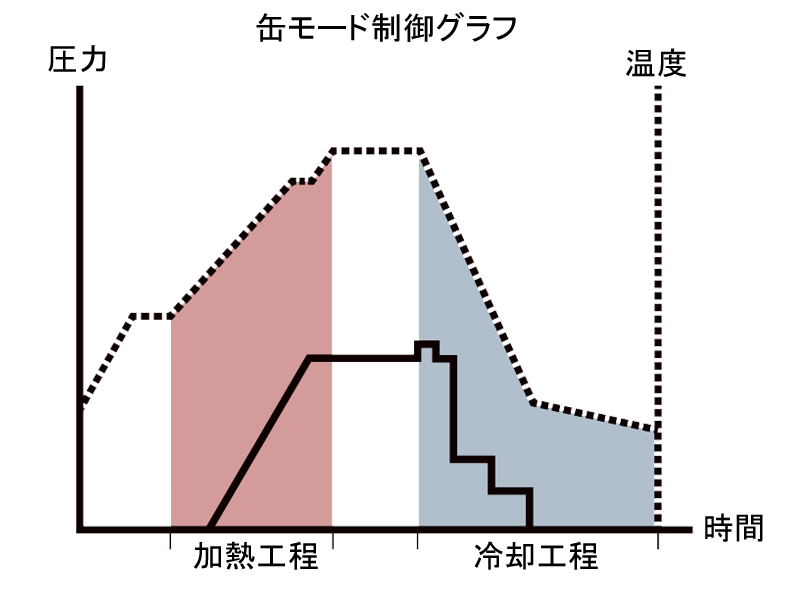
Equipped with a can-specific 『can mode』 that reduces deformation

This unit is equipped with a 『can mode』 specifically for beverage cans and canned goods.
Beverage cans such as coffee and tea are often sealed after being filled at high temperatures, and are under negative pressure at room temperature. In this state, excessive external pressure may cause the can to deform. The same phenomenon may occur even if the vacuum level during winding is high.

To prevent this, in can mode, pressure is not applied during the heating process, and the risk of deformation of the can is reduced by utilizing the natural expansion pressure.

On the other hand, to prevent deformation caused by excessive internal pressure in the can during rapid cooling after sterilization, it has a setting function that allows the pressure to be adjusted in stages from the cooling temperature range.

Core temperature measurement and F-value calculation and control function

In retort sterilization, even if the can temperature reaches the set value, the core temperature (core temperature) of the packaged food does not reach the set value. There will always be a "delay time" that arrives late.

Heat is transferred differently depending on the food (solids, liquids, liquids with ingredients, filling amounts) and packaging (pouches, cans, bottles), and the "delay time" also varies.
By directly measuring the core temperature, the sterilization conditions, including the "delay time," become clear.
By combining the included temperature sensor with a pouch/canned food sensor fitting, reliable core temperature measurement is achieved.

Furthermore, it not only calculates, records, and manages the "F-value," an indicator of sterilization strength, from the measured core temperature, but also features an F-value control mode that transitions from the sterilization process to the cooling process when the set F-value is reached.
By utilizing this feature, we can improve the efficiency of recipe development and setting conditions for mass production.

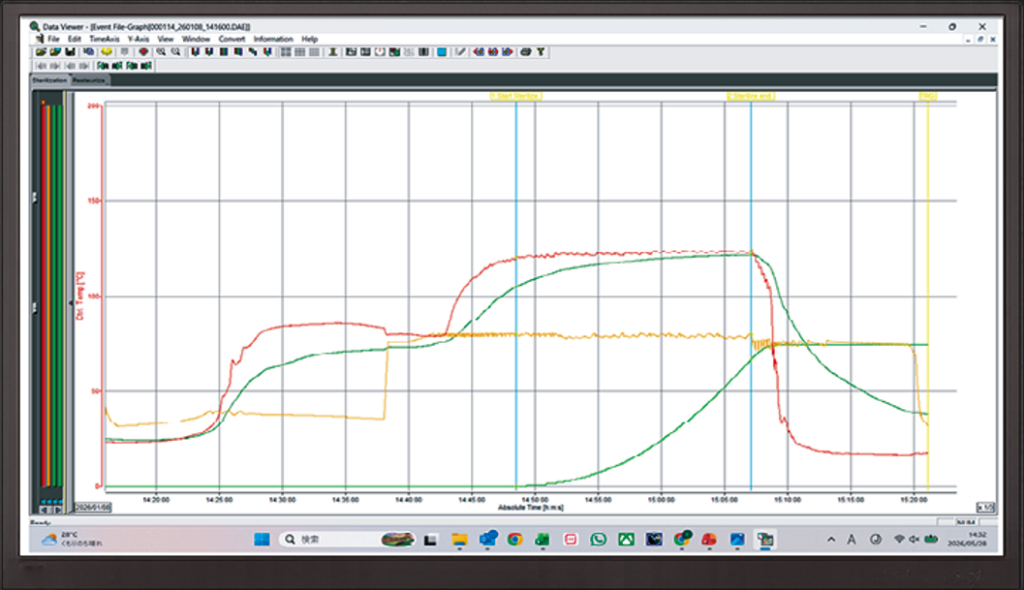
Visualization of driving data

Equipped with data collection functions essential for verifying the reproducibility of the sterilization process and for process design.
The operating status of can temperature, core temperature (product temperature), F value, and can pressure is recorded using a recorder, and sampling data can be confirmed and managed on a PC.

Furthermore, since recording starts and stops automatically in conjunction with the operation of the device itself, it prevents workers from forgetting to start or stop recording, and also prevents leakage of test data.

During the product development stage, it is possible to leave behind sterilization conditions, temperature changes, pressure changes, and F-value attainment for each prototype, which is also useful for creating process design and verification materials that are based on actual production.

Observation window and interior lighting

Pressure-resistant tempered glass observation windows and interior lighting allow visual inspection of sample conditions during operation.
It can observe pouch deformation, wrinkles, tear-off bags, and container expansion in real time, which is useful for evaluating packaging materials and understanding problems during the prototype stage.

ERD-37
Can diameter x effective height (mm) φ300 × H450
Can volume (L) 37
External dimensions WxDxH (mm) 1050 × 470 × 1000
Weight (kg) 134 (excluding compressors)
Sterilization temperature (℃) 80 – 140
Sterilization time (hours: minutes) 00:00 - 05:00
Maximum pressure (MPa) 0.370
Required power supply AC200V, three-phase, 40A or higher

Foot tightening confirmation device

If the foot tightening is insufficient, the alarm will sound and operation will not start.

Foot pinch prevention mechanism

The hinge with a reduction spring prevents the lid from falling freely, preventing finger pinching and accidents.

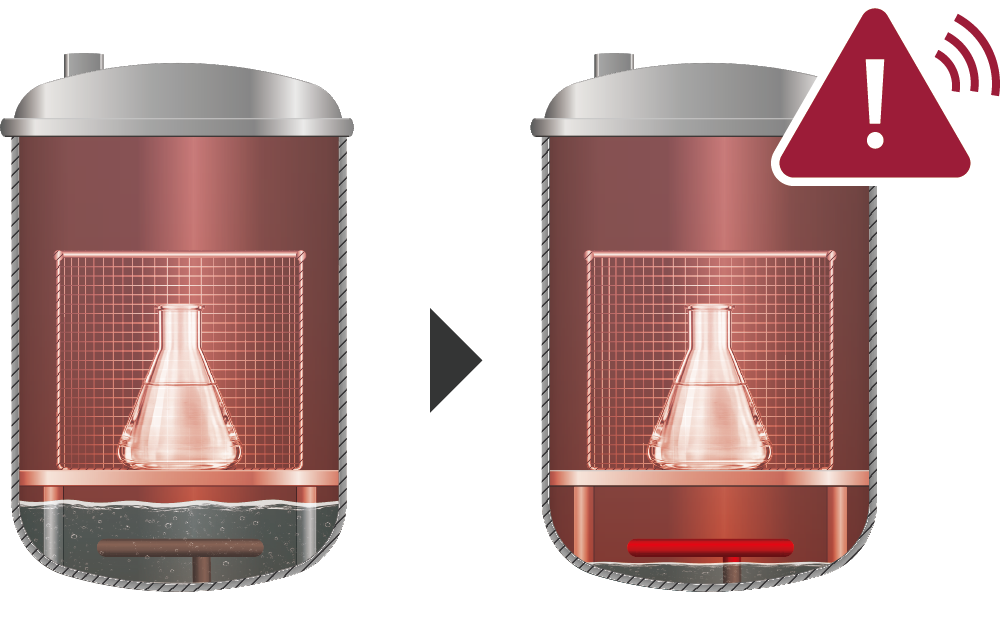
Air-burning prevention device

If there is a water shortage, an alarm will sound and automatically shut off.
This prevents overheating due to dry lighting and ensures the safety of the equipment and its users.

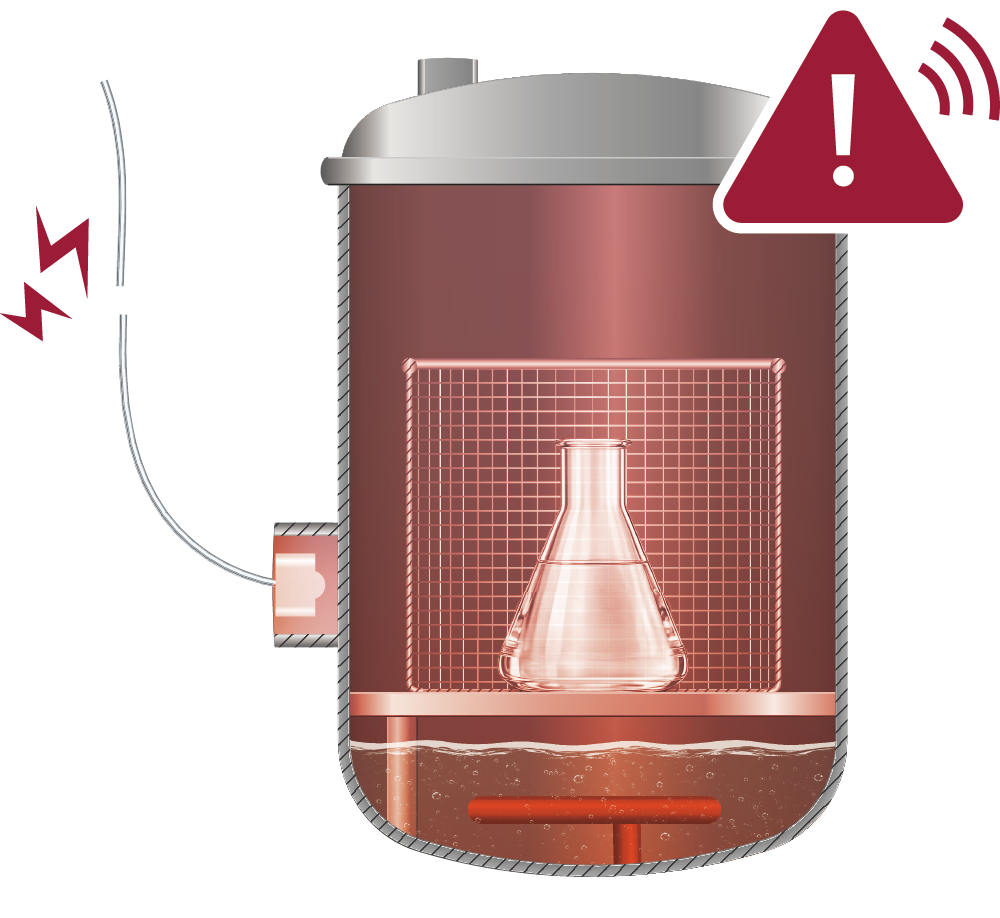
Sensor break detection

An alarm will sound or stop the vehicle from operating if the temperature sensor fails.
Instruments crucial for temperature control prevent equipment from running out of control.

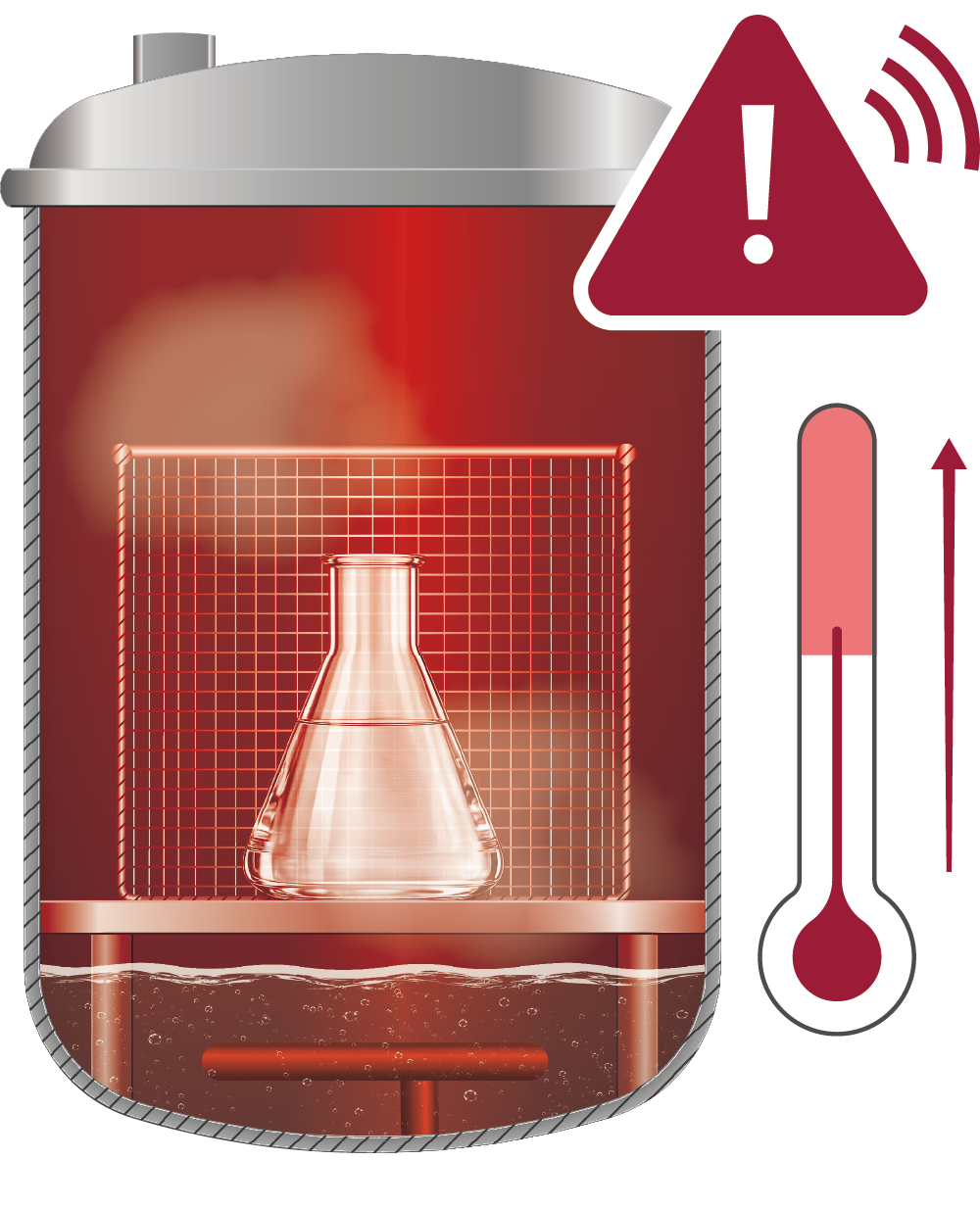
Temperature over-rising/over-pressure prevention device

An alarm will sound and the vehicle will stop operating if the temperature inside the can exceeds the set temperature and pressure while the vehicle is in operation.
This can easily occur if too much sterile material is packed into the container.

Ground fault breaker

Senses a power leakage in the equipment and turns off the main power supply. It activates in the event of a water leak or electrical component failure, preventing electric shock to the user.

Pressure safety valve

It allows steam to escape from the can when the pressure rises to an abnormal level, preventing the pressure from rising. This is a dual safety device that activates in the unlikely event that an electrical safety device malfunctions and the equipment goes out of control.

Compressor protection circuit

If the air compressor becomes overloaded, it will automatically shut off to prevent overheating.

Water level detection function

When the water level inside the can does not reach the default position, an alarm will sound and automatically stop when the water level rises above the default level.

Drainage cooling unit

During operation, steam and hot water are discharged, requiring a heat-resistant drainage system of 90℃ or higher.
Grating or steel heat-resistant drain pipes are fine, but if you don't have these, choose this device.
After the exhaust and drainage water have cooled, it is drained into the building.

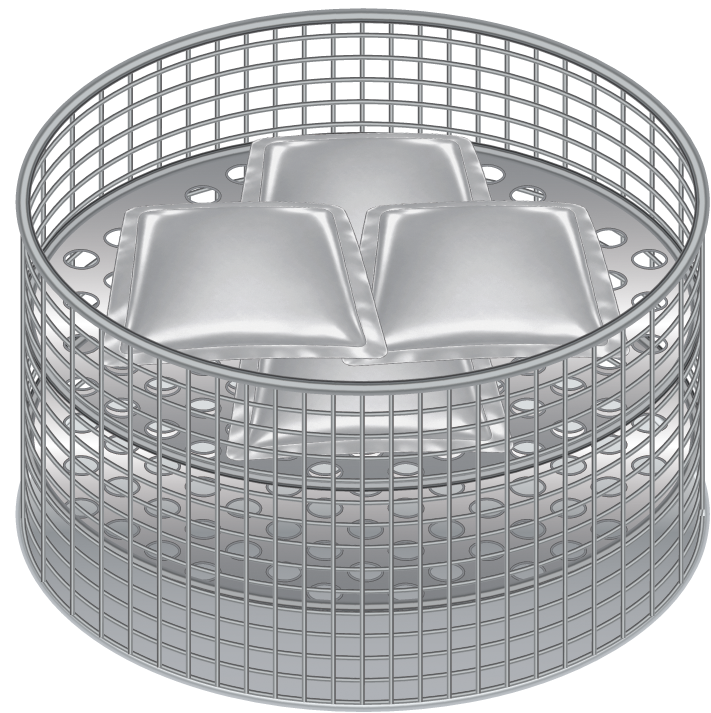
Various stainless steel wire mesh baskets
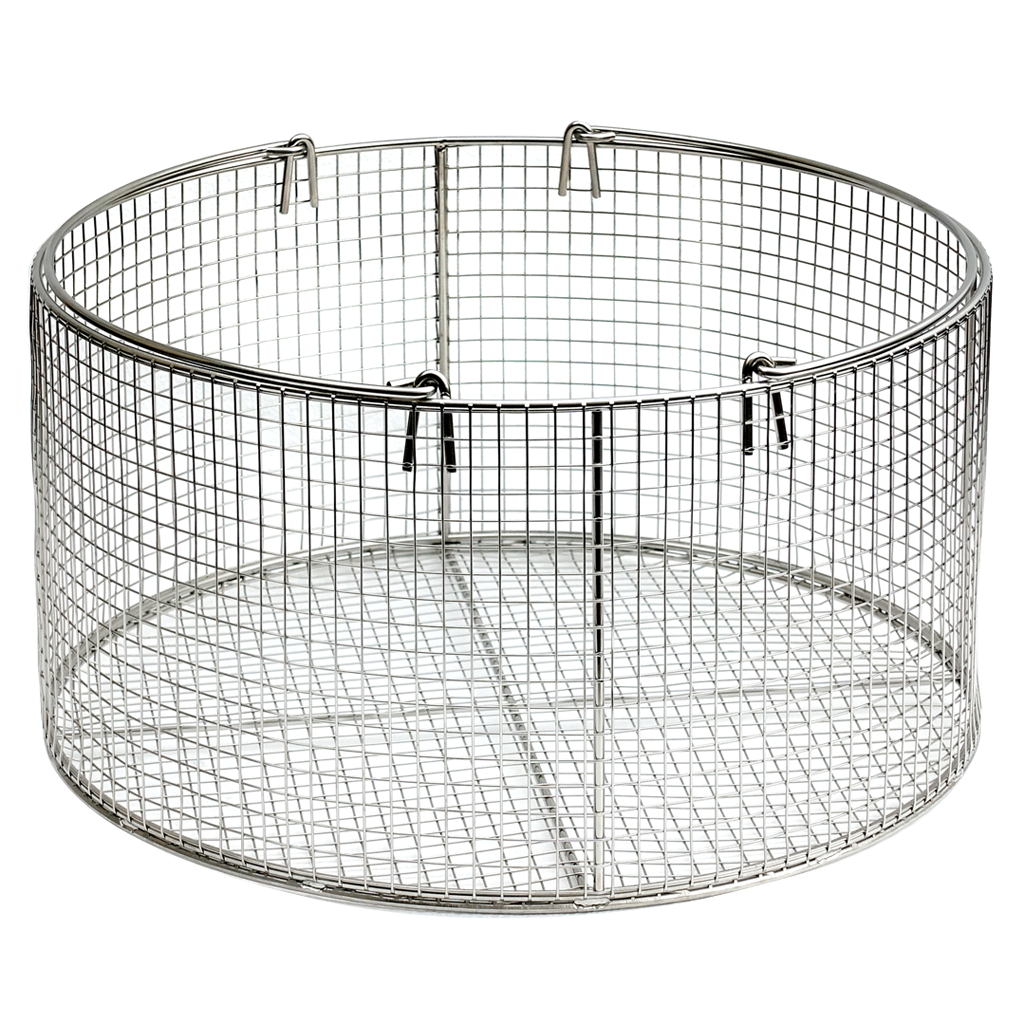
We offer a variety of sizes.
Use in sets with trays or parts.

Product number Dimensions Number of insertable items
BW2740 Φ270×400 1
BW2730 Φ270×300 1
BW2720 Φ270×200 2

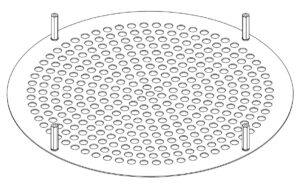
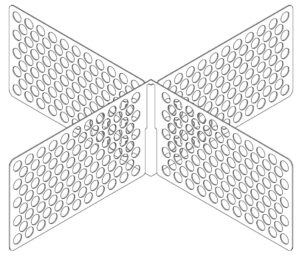
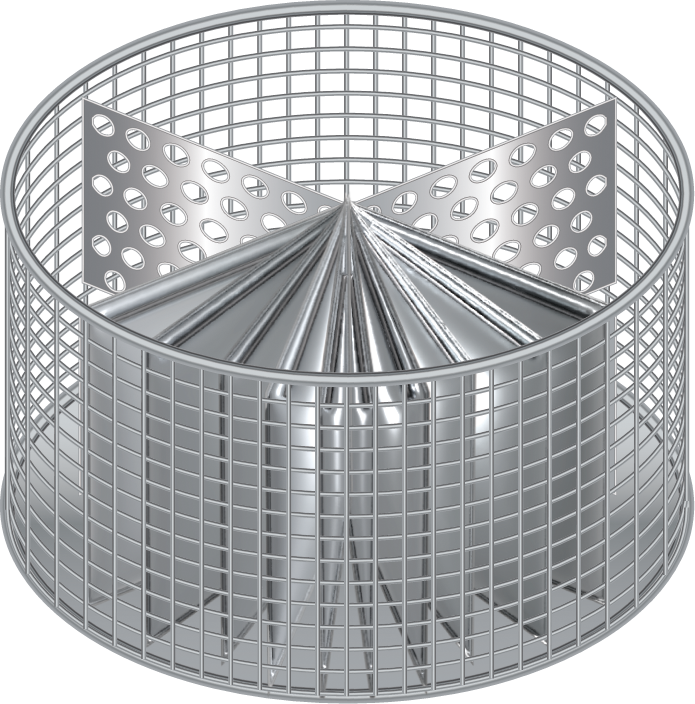
Trays and Partations

Set of 5 trays for horizontal retort pouches (5 can be inserted into BW2730)

Partition for vertical placement of retort pouches

Why ESTERI?

Sterilization fast, easy, and reliable
Supporting essential hygiene practices in food and medical care
Japan's first sterilizer manufacturer

Over 50 years of experience

Sterilization technology in the laboratory and medical fields that has been developed since 1976

Quality based on international standards

"Manufacturing" that does not depend on individual abilities

Meeting customer needs

Flexible, custom-made solutions tailored to individual needs

To over 80 countries worldwide

Global brand of compact autoclaves

International standards certification obtained
Having trouble choosing a product?

Please feel free to share any problems or questions you may have.